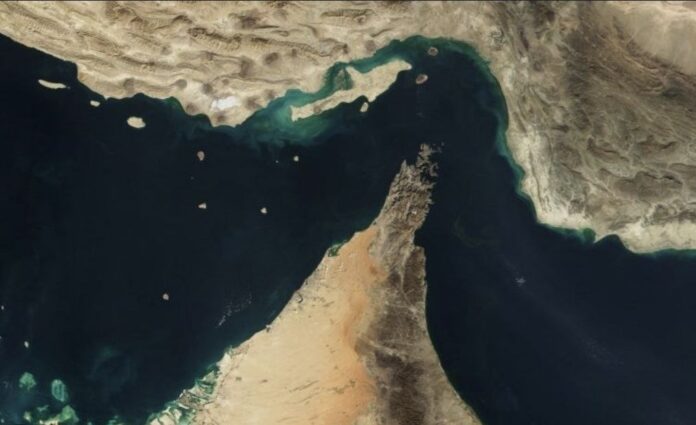
Following the escalating geopolitical conflict and travel restrictions in the Strait of Hormuz, which have caused significant disruptions to global oil supply routes, Ethiopia has begun seeking new alternatives to meet its fuel demand. Shifting a procurement strategy it relied on for several decades, the country has diversified its supply to West Asian markets, ports in western India, and, for the first time, the West African market. This strategic move is considered a major milestone in ensuring the nation’s energy security.
Under this new operational approach, the state-owned Ethiopian Shipping and Logistics (ESL) has successfully managed petroleum cargo transport for the first time in 40 years. The enterprise imported 120,000 metric tons of aviation jet fuel and diesel fuel from the Dangote Petroleum Refinery in Nigeria, owned by billionaire Aliko Dangote. This marks a historic first where Ethiopia has sourced fuel from another African nation since halting imports from neighboring Sudan.
The crisis in the Strait of Hormuz—triggered by conflicts involving the United States, Israel, and Iran—has had a direct impact on Ethiopia. This maritime route transits approximately 20 percent of the world’s oil supply and previously served as Ethiopia’s primary fuel transit corridor.
Lensa Geremew, head of the Chartering Division within ESL’s Commercial Directorate, noted that while this crisis created substantial supply anxieties, the company successfully transported the fuel over three consecutive voyages due to favorable conditions created by the government. The liquid cargo was transported via the vessels MV Kokolight, MT Mostar, and MT Explorer, and was delivered to the Horizon Oil Terminal in Djibouti, a key hub for Ethiopian fuel imports.
Ensuring the supply of jet fuel has currently become the top priority for the country. Because Bole International Airport serves as a major African aviation hub and Ethiopian Airlines maintains extensive operations, the demand for jet fuel has surged significantly. However, experts point out that unlike diesel and gasoline, the country’s insufficient storage infrastructure for jet fuel had compounded the severity of the risk.
Since Ethiopia is not an oil-producing nation, it spends at least a quarter of its total goods-import budget on oil procurement. For the 2024/25 budget year, oil import expenses stood at USD 3.7 billion, and this figure is anticipated to show an 8.9 percent increase by the end of the budget year.
During his budget speech to parliament, Finance Minister Ahmed Shide indicated that due to the ongoing conflict in the Strait of Hormuz driving up global oil prices, the central bank anticipates fuel import costs could escalate to USD 6 billion in the upcoming budget year. To withstand this pressure, the government plans to inject 116.4 billion birr in additional capital into the Ethiopian Petroleum Supply Enterprise (EPSE), which was the sole fuel importer until last year.
The government is implementing broad macroeconomic reforms to alleviate foreign currency shortages and modernize the fuel sector. Chief among these is opening up the oil market to the private sector. According to a recent directive issued by the National Bank of Ethiopia, foreign direct investors, the diplomatic community, and international non-governmental organizations are now permitted to import fuel using their own foreign currency. This mechanism reduces the foreign currency the government must allocate for fuel while simultaneously excluding entities that should not benefit from the subsidy system.
The issue of fuel subsidies is another major area of focus. While the government initially planned for the fuel subsidy to be 100 billion birr for the 2024/25 budget year, Trade and Regional Integration Minister Kassahun Gofe revealed that the actual subsidy expenditure reached 272 billion birr.
To curb this massive fiscal burden, the government proposes to slash the fuel subsidy to 20 billion birr for the coming budget year. This step is aimed at gradually phasing out the subsidy and transforming the sector into a revenue generator for the domestic economy.