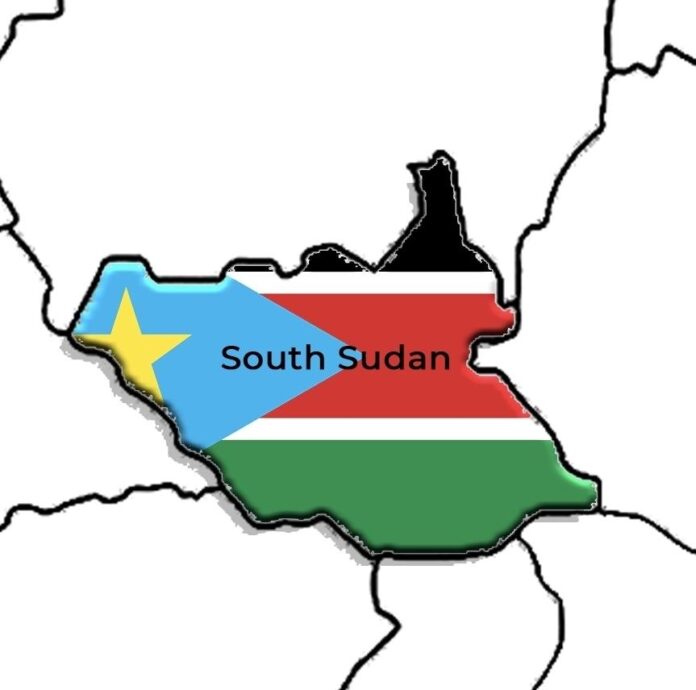
Refugees in South Sudan are making significant contributions to the national economy as entrepreneurs, employers, and business owners, according to government officials and aid agencies. The organizations have jointly called for increased investment in development programs that enable displaced people to build independent livelihoods.
This appeal was made during a specialized high-level dialogue forum held in the capital city, Juba. The event brought together government officials, representatives from the United Nations, commercial banks, telecommunications firms, and refugee entrepreneurs to discuss practical pathways toward economic inclusion for displaced populations.
Mesfin Degefu, the Deputy Representative of the UN Refugee Agency (UNHCR) in South Sudan, noted during his address: “Refugees are not only beneficiaries of assistance; they are entrepreneurs, investors, employers, and active citizens contributing directly to local economic growth.”
According to UNHCR data, South Sudan currently hosts more than 600,000 refugees and asylum seekers. Concurrently, the country is responding to the arrival of more than 1.3 million individuals (both returnees and refugees) fleeing the ongoing civil conflict in neighboring Sudan. Degefu emphasized that while immediate humanitarian assistance remains essential, these efforts must increasingly be complemented by access to sustainable finance, skills development, market linkages, and private-sector investment. “When barriersare removed and opportunities are created, refugees and host communities can thrive together,” he stated.
South Sudan’s Deputy Commissioner for Refugee Affairs, John Dabi, noted that refugees bring unique skills, professional qualifications, and knowledge that can actively strengthen the host country’s economy. “Refugees are not just people fleeing war or conflict, but they are individuals with tangible skills, knowledge, and immense potential,” he stated.
To illustrate this impact, Dabi pointed to refugee doctors and medical professionals who fled conflicts across the region and successfully established private health facilities within South Sudan. “We benefit directly from these medical services, their clinical skills, and their knowledge,” Dabi said. “Let us integrate refugees into our national systems.”
The forum was organized by Inkomoko, a prominent business development organization that supports refugees, returnees, internally displaced persons (IDPs), and host communities through entrepreneurship training and micro-financing. William Ngabonziza, Inkomoko’s Managing Director in South Sudan, explained that the organization aims to shift public perceptions by highlighting the measurable economic output of displaced populations. “When given a chance to do business, they pay taxes, they create jobs, they build, and they take their children to school,” he stated.
Among the entrepreneurs who shared their experiences at the forum was Christine, a refugee from the Democratic Republic of Congo who fled regional conflict in 2018. After initially staying in Uganda, she eventually relocated and settled in South Sudan. Having lost her husband during the displacement process, Christine built a fish-trading business in Juba from scratch to support her five children.
However, her entire livelihood was wiped out in December 2025 when a devastating fire swept through Juba’s Custom Market, destroying her entire stock. Through subsequent business management training and recovery financing provided by Inkomoko, she successfully restarted her trading operations and regained financial self-reliance.
Dr. Addis Ababa Othow, the Managing Director of Equity Bank South Sudan, emphasized that access to formal financial services is foundational to national economic transformation. He urged wider private-sector engagement to support refugee-led small and medium enterprises.
“We are here to reflect collectively on how we can create a sustainable pathway toward economic inclusion, self-reliance, and shared prosperity,” he said.
Speaking on behalf of the Swiss Agency for Development and Cooperation, First Secretary Larissa Beutler added that refugee entrepreneurs are already deeply integrated into and enriching local community markets.
The high-level panel forms part of a series of activities marking World Refugee Day on June 20. The theme for this year’s global commemoration focuses heavily on challenging outdated stereotypes surrounding displaced populations and advocating for their structural inclusion in economic and social spheres. UNHCR concluded that forging stronger, institutional partnerships among governments, international development agencies, commercial financial institutions, and the private sector is crucial to helping refugees transition successfully from aid dependency to full economic autonomy.