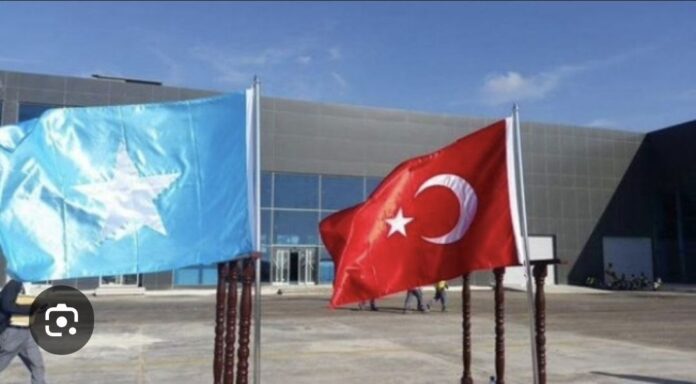
Diplomatic efforts initiated by Turkey to resolve the severe political crisis between Somalia’s federal government and opposition groups have faced significant setbacks, according to sources close to the negotiations. According to these sources, Ankara’s mediation bid is being jeopardized by technical disagreements and mounting international pressure.
Following an understanding previously reached between both sides, technical committees from the opposition and the federal government were expected to meet this week to move the dialogue forward. However, a new dispute over which political actors should be officially recognized as part of the opposition has complicated preparations for the next round of talks.
Turkey has been actively engaging in high-level diplomatic activity to de-escalate tensions following recent armed clashes in the capital, Mogadishu. A delegation from Ankara, consisting of diplomats and security officials, arrived in Mogadishu to conduct separate, consecutive meetings with federal government officials and opposition leaders. This initiative was aimed at resolving disagreements regarding electoral arrangements, constitutional reforms, and the nation’s overall political trajectory through dialogue.
Turkish mediators had proposed granting seats on the technical committee to figures aligned with former Somali President Mohamed Abdullahi Mohamed (Farmaajo), who oppose the current political agenda of President Hassan Sheikh Mohamud. However, this proposal was rejected by major opposition factions.
Opposition leaders have been highly cautious not to alienate Turkey, which remains an influential partner that has invested heavily in Somalia’s infrastructure, humanitarian aid, state-building programs, and security sector training over the past decade. Nevertheless, they have officially requested that Ankara remain neutral and stay on an apolitical track.
Members of the opposition’s “Future Council” rejected Turkey’s representation proposal, arguing that the committee should exclusively include their representatives and that talks should remain directly between the council and Villa Somalia (the presidential palace). They maintained that no other political bloc should be formally included in the process.
This disagreement over political alignment has forced Turkish mediators with intelligence links to consider packing up and returning to Ankara. Sources noted that the mediators could resume their role if Somali political actors reach a consensus on the structure and format of the dialogue.
Meanwhile, international partners operating under the “C6+” framework have intensified pressure on the Turkish-led initiative. Representatives of the international community warned that mediation by a single country is unacceptable, endorsing the Future Council’s call for a broader and more inclusive facilitation mechanism.
Conversely, the Federal Government of Somalia has previously called for the dissolution of the C6+ group. The government believes that the continued existence of this bloc gives a misleading impression that Somalia remains under externally driven political oversight. The government emphasized that the country has made significant progress in rebuilding its institutions and now seeks to define its partnerships on the basis of equal bilateral cooperation.
Western diplomats have also opposed what they see as an exclusively Turkish-led process. Pointing out that international partners have long been involved in supporting Somali political dialogue, they argue that Ankara should play a supporting role rather than leading the process entirely.
As Turkey’s expanding influence in Somalia comes under close scrutiny, unverified reports have emerged claiming that the head of Turkey’s National Intelligence Organization (MIT) has arrived in Mogadishu. While this information remains unconfirmed by official sources, it has fueled speculation about Ankara’s eagerness to broker a ceasefire.
If the arrival of the intelligence chief is confirmed, it would represent a significant escalation in Turkey’s diplomatic engagement, moving from back-channel communications to direct, on-the-ground mediation.
Turkey ramped up its active involvement in mediation after former Presidents Sharif Sheikh Ahmed and Mohamed Abdullahi Farmaajo signaled a potential de-escalation away from the tense Marinayo stance. While this development raised cautious optimism among international observers monitoring Somalia’s fragile political situation, the current hurdles are once again pushing the process into uncertainty.