

Stanbic Bank, which operates under South Africa’s Standard Bank Group—one of Africa’s largest financial institutions by asset base—has unveiled a novel and unconventional strategy to enter the Ethiopian banking industry. Rather than entering the market by acquiring shares in existing local commercial banks, Stanbic has disclosed that it is considering a greenfield entry to build its startup operations from scratch.
This strategic move would enable the lender to bypass ownership restrictions and secure 100 percent full ownership and corporate control in the Ethiopian financial market.
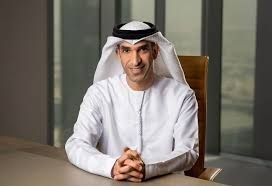
Joshua Oigara, Regional Chief Executive of Stanbic Bank, confirmed that the institution has put the greenfield option on the table during discussions held in Johannesburg on the sidelines of Kenyan President William Ruto’s state visit. “Ethiopia does not stop financial institutions from setting up from scratch if you want to own 100% of the entity”.
He added that Kenyan enterprises have successfully established greenfield operations in Ethiopia, giving Stanbic immense confidence in this specific entry model.
The National Bank of Ethiopia opened up its tightly regulated banking sector to foreign investors for the first time in history in March 2024 through the issuance of Business Proclamation 136/2024. However, this legal framework imposes strict limitations on foreign banks seeking entry through acquisitions. The law mandates that local investors must retain a minimum controlling interest of 51 percent, effectively capping the maximum equity stake any foreign buyer can acquire at 49 percent.
This 49 percent foreign ownership cap has stalled the expansion plans of several African banking giants that have long eyed Ethiopia’s massive consumer market. Kenyan lenders such as KCB, Equity Group, and Co-operative Bank have repeatedly signaled intense interest in Ethiopia.
However, the prospect of entering the market as a minority shareholder, without a definitive majority say over corporate strategy, has consistently held them back from making final commitments.
Oigara directly articulated this industry challenge: “We generally go to new markets as a large and significant owner, and so a minority position is always going to be a difficult point to start with.” A greenfield operation completely resolves this legal hurdle. Since Ethiopia’s regulatory cap applies strictly to mergers and acquisitions, building a bank from the ground up allows Stanbic to build the bank, own the bank, and fully control its strategic direction.
Stanbic’s willingness to pursue the more capital-intensive and operationally challenging greenfield route is informed by the experience of Kenyan telecommunications giant Safaricom in Ethiopia.
Safaricom entered the Ethiopian market through a greenfield license, absorbing substantial losses during its initial years of infrastructure rollout before the business began to turn a corner.
Referencing Safaricom’s trajectory, Oigara noted, “One of our greatest clients is the telco business that went into Ethiopia a few years ago. It was an absolutely difficult environment, I agree. Does it tick the right boxes now? Maybe not yet. Are we seeing progress so far? Absolutely.”
Recent financial performance metrics back this up; Safaricom Ethiopia narrowed its net loss to KSh21.2 billion in the last financial year from KSh36 billion the previous year, while service revenue surged by 58.3 percent to hit KSh14.1 billion.
Drawing a broader strategic lesson from these figures, Oigara emphasized the importance of corporate patience: “Sometimes we take a short-term view and look at things from a one-year, two-year, or three-year lens, yet when you look at things from a 10-year perspective, you are likely to end up wishing you had even done more investment.”