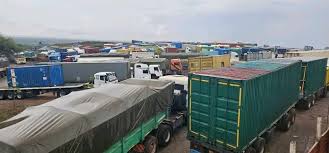
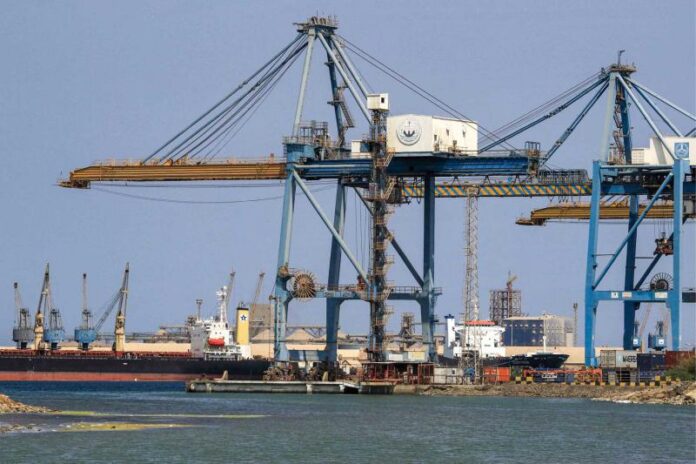
Sudan’s Red Sea ports are struggling to compete with regional rivals Egypt and Djibouti, as inadequate port depth and outdated infrastructure limit the country’s ability to capitalize on shifting global trade routes. As political instability in the Arabian Gulf and wider Red Sea region continues to redirect maritime traffic, the strategic value of Sudan’s 730‑kilometre coastline has grown, but structural constraints are preventing it from becoming a major logistics hub.
Located along a key corridor between Asia and Eastern Europe, Sudan is geographically well positioned to serve as a preferred centre for ship maintenance and cargo handling. Sector experts, however, warn that this natural advantage is being eroded by technical and infrastructural shortcomings, most notably the limited depth of its main facilities at Port Sudan.
According to former Sudanese Sea Ports Corporation Director General Onur Mohammed Adem, modern mega‑cargo ships require a minimum sea depth of about 18 metres to dock safely. Because Port Sudan does not currently meet this standard, large vessels are forced to offload in neighbouring countries and then move cargo to Sudan using smaller feeder ships. This workaround, he notes, is costing Sudan significant revenue in handling fees, logistics services and related port activities that could otherwise be captured domestically.
The lack of sufficient depth is compounded by a failure to modernise critical equipment. Some berths at Port Sudan still operate without modern cargo cranes, obliging ships to rely on their own gear to unload. This slows down operations, raises costs for shipping lines and diminishes the port’s attractiveness in a competitive regional market where turnaround time is a key consideration.
By contrast, Djibouti and Egypt have invested heavily in deepening their ports and upgrading terminal infrastructure, enabling them to attract major international shipping lines and position themselves as primary gateways on the Red Sea. Their ability to accommodate large vessels and offer efficient, modern services has intensified the pressure on Sudan to accelerate its own reforms.
Mohammed argues that any strategy to close this gap must go beyond the quayside. In addition to deepening channels and berths to the 18‑metre standard, Sudan needs to expand and modernise the rail and road networks linking Port Sudan to the interior, in order to support seamless movement of goods to and from the hinterland. Improved connectivity, he says, is essential if the country is to market itself as a reliable regional trade corridor.
Efforts to draw on international expertise have begun, with experience‑sharing arrangements signed with Turkey and other partners. However, the ongoing war and political instability inside Sudan remain a major deterrent to foreign investment and long‑term infrastructure financing.
Experts caution that Sudan’s bid to secure a stronger commercial foothold on the Red Sea hinges first on restoring peace and political stability. Only then, they say, can the country realistically embark on the technological and infrastructural transition required to deepen its ports, modernise operations and compete on equal footing with its better‑resourced neighbours.