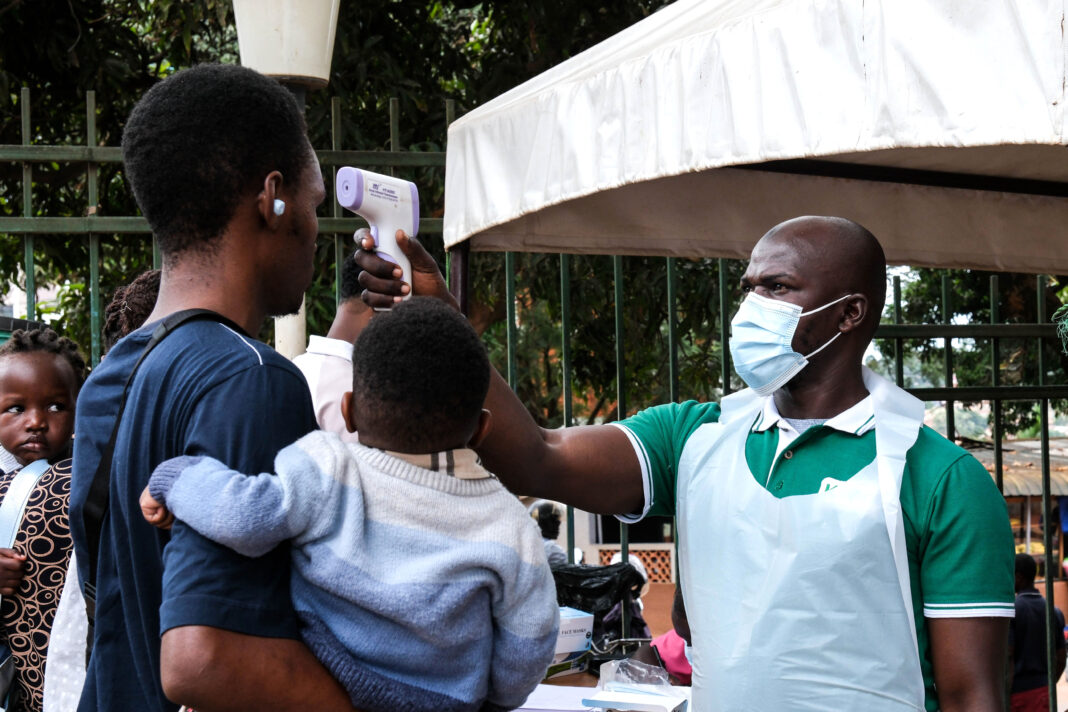
The Civil Society Network on Climate Change (CISONEC), a consortium of environmentalists in Malawi, has thrown its weight behind calls for the World Health Organization (WHO) to declare the climate crisis a Public Health Emergency of International Concern (PHEIC).
The call is supported by warnings from leading international experts, including the independent pan-European Commission on Climate and Health convened by the WHO, that climate change now poses a severe global public health threat capable of causing millions of preventable deaths without urgent action.
The recommendations were presented in a report to European ministers on Sunday ahead of the WHO World Health Assembly, which opened on Monday.
CISONEC National Coordinator Julius N’goma said the climate crisis is increasingly driving the emergence and spread of pandemics and other diseases, placing immense pressure on public health systems across Africa.
“Recently, we have witnessed a rise in climate-related pandemics and diseases such as COVID-19. In countries like Malawi, we have also seen diseases such as malaria and cholera becoming more difficult to predict and contain,” said N’goma.
He added that changing climatic conditions have made it harder to identify cholera hotspots and predict outbreaks compared to the past.
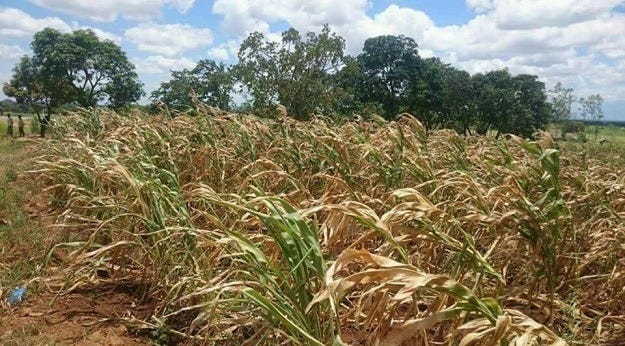
N’goma further warned that climate change is worsening food insecurity through the spread of crop pests and diseases, leading to hunger and malnutrition crises.
“There are many climate-related diseases and pests affecting our crops, leading to hunger crises and malnutrition-related problems. This is something that needs urgent attention and serious consideration,” he said.
The global commission has highlighted the international spread of vector-borne diseases such as dengue and chikungunya, as well as the health impacts of extreme weather events, global heating, food insecurity, and air pollution, as key justifications for declaring a PHEIC.
N’goma urged wealthy nations to continue supporting countries in the Global South to address climate change impacts. He noted that developing nations contribute the least to global carbon emissions yet suffer some of the most severe consequences.
“As countries in the Global South, we are heavily affected by climate change despite contributing very little to carbon emissions,” he said.
“The impacts are undermining our systems, particularly the health sector. Hospitals are becoming overwhelmed by pandemics and climate-related health challenges, making the situation increasingly difficult to manage.”