According to an official statement by Sudan’s Central Bureau of Statistics, the country’s annual inflation rate climbed to 45.84% in April 2026. This figure marks an increase of roughly five percentage points compared to last March, driven largely by the sharp depreciation of the Sudanese pound against foreign currencies.
The Central Bureau of Statistics explained that this figure reflects the change in the general price level compared to the same month in 2025. The inflation trend presented different realities in urban and rural areas; urban inflation surged to 49.70% from 41.33% in March, while rural inflation rose from 39.53% to 43.62% over the same period.
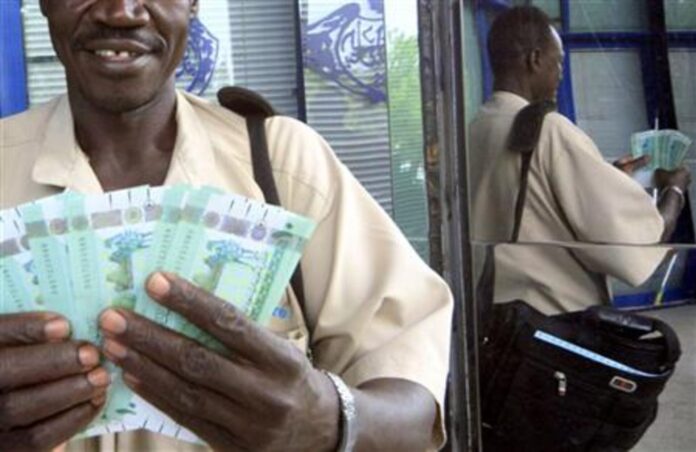
Economists attribute this resurgence of inflation directly to the weakening purchasing power of the local currency. The diminishing value of the Sudanese pound has caused the costs of goods and services to skyrocket across the nation. This new price hike marks a reversal after a prolonged decline from a peak of 422% recorded in July 2021, which stood as the country’s highest inflation apex.
The Central Bureau of Statistics noted that it compiled the April data from field price surveys conducted across 16 Sudanese states. However, due to the severe deterioration of security and the ongoing war in North Darfur state since October 2025, direct on-the-ground data collection was impossible there. As a result, the bureau was forced to rely on estimates to complete the data for North Darfur state.
Inflation declined in 5 of Sudan’s 18 states during April. North Darfur recorded the sharpest drop at 16.17%, followed by Central Darfur with a 4.89% decline. By contrast, inflation rose in 11 states, with White Nile state posting the highest increase at 29.62%, followed by Gedaref state in second place with a 20.04% increase.
To measure inflation, the bureau uses a commodity basket consisting of 663 items based on the consumption patterns of different economic, social, and geographic groups. These commodities are distributed across 12 main categories, with food and beverages topping the list. Additionally, tobacco, clothing and footwear, housing, utilities (water and electricity), health, transport, communications, and education are critical sectors included in the basket.
Sudanese households allocate the highest share of their total income—52.89%—to food and beverage consumption. They spend 14.17% on housing, water, electricity, gas, and fuel costs, while the remaining 8.34% goes toward transport services, according to the data.
The ongoing price increases compound the severe hardship facing most Sudanese, who have lost their livelihoods and sources of income due to the current civil war. Because the war has completely devastated infrastructure, commercial activity, and the agricultural sector across much of the country, this inflation has further exacerbated the living conditions and plight of the population.