Negotiations at the UN-backed Codex Committee on Food Labelling are drawing scrutiny from public health advocates, who say the process is moving too slowly on stronger alcohol warning labels and advertising restrictions, while also risking the weakening of emergency infant feeding guidance.
The week-long talks, taking place in Ottawa and online, have brought together about 300 government representatives and observers to discuss global food labelling standards. Canada has hosted and chaired the committee since 1965.
Bill Jeffery, executive director and general legal counsel of the Centre for Health Science and Law, said the committee has spent much of its time on technical disputes over commodity labels, while postponing decisions on standards with major health implications.
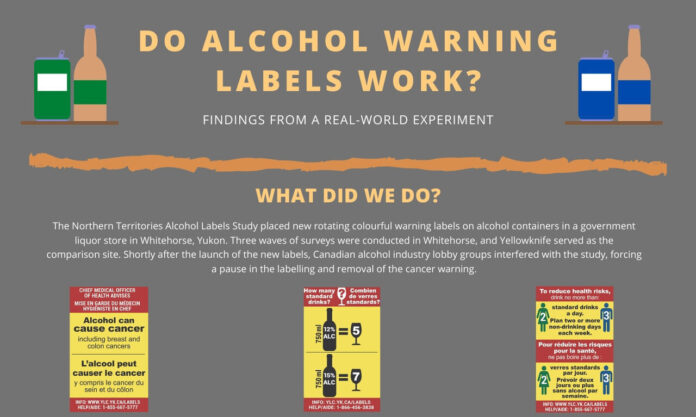
He pointed to alcohol labelling as a key example, saying the committee has hesitated for years on measures such as warning labels and advertising bans, despite global health concerns linked to alcohol consumption. The World Health Organization has long urged stronger action, including mandated health warnings on alcohol containers and tighter restrictions on alcohol marketing.
The committee is also considering emergency food labelling rules that critics say could undermine the World Health Organization’s Operational Guidance on Infant Feeding in Emergencies and the International Code of Marketing of Breast-milk Substitutes. Advocates warn that any weakening of those standards could affect infant health protections during crises.
Negotiations are set to continue on Tuesday, May 12, on food labelling in emergencies, and on Wednesday, May 13, on alcohol labelling. Delegates are expected to finalize the report on Friday, May 15.
The Centre for Health Science and Law said Codex standards carry significant weight in international trade and can influence domestic food labelling laws, making the outcome of the talks especially important for consumer protection.