The combination of soaring global fuel prices, persistent regional instability, and erratic rainfall is worsening food insecurity across Ethiopia. According to the latest report from the Famine Early Warning Systems Network (FEWS NET), millions of people are currently at “Emergency” hunger levels, and conditions are expected to deteriorate further as the lean season approaches.
The primary driver of the current crisis is the sharp national spike in fuel prices, linked to tensions in the Middle East. Between March 10 and April 1, 2026, diesel prices surged by 26%. This has sent shockwaves through the economy, disrupting the movement of goods and driving up the costs of grain milling and the transportation of essential food items.
The impact on local markets has been immediate and severe; for instance, in the Sodo market, maize prices jumped by 37% in the first two weeks of April alone—a staggering 128% increase compared to the five-year average. For poor households with dwindling purchasing power, these prices have made basic staples nearly inaccessible.
The food security outlook remains dire for several key regions through September 2026. In the northern areas of Tigray, Amhara, and Afar—regions already scarred by conflict—”Crisis” (IPC Phase 3) levels are widespread, with many poor households expected to slide into “Emergency” (IPC Phase 4) status.
As domestic food stocks are exhausted, families have become entirely dependent on markets they cannot afford and humanitarian aid that is difficult to deliver. Meanwhile, in the south and southeast, despite some relief from the March-to-May rains, a significant moisture deficit persists. In zones like Dolo and Korahe, rainfall has been up to 55% below average, leading to emaciated livestock, reduced milk production, and a collapse in household income.
In the Gambella region, a separate emergency is unfolding as approximately 110,000 South Sudanese refugees have crossed the border since late 2025. Because many remain unregistered, they lack access to regular humanitarian assistance. Having arrived already suffering from acute malnutrition, these populations face a continued “Emergency” hunger situation without immediate intervention.
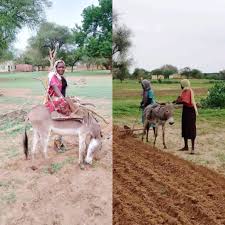
The agricultural outlook offers little comfort; while planting levels are near average, moisture stress is expected to stunt crop growth and reduce yields. Furthermore, since Ethiopia imports over 90% of its nitrogen fertilizer (Urea) from the Gulf region, there are fears that Middle Eastern tensions could disrupt the supply chain just as the main planting season begins.
Humanitarian efforts are currently besieged by multiple challenges. Security issues and fuel shortages are physically blocking aid delivery in parts of Amhara and Oromia. More critically, the Joint Emergency Operation Program (JEOP), which supports roughly 3 million people, is facing a potential “pipeline break” in the coming months due to a lack of funding. Additionally, the vital Productive Safety Net Program (PSNP) has seen distribution delays for most beneficiaries since January 2026 due to ongoing program restructuring. As the food gap widens, families are resorting to desperate measures.
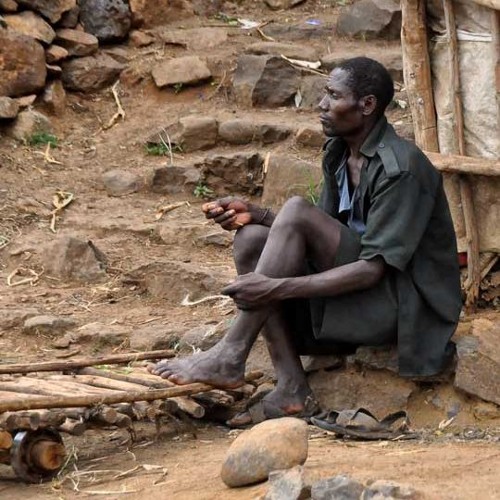
Reports indicate that many are reducing the size and frequency of meals, selling off essential farming tools and livestock, and engaging in high-risk labor such as traditional mining or migrating for day work. The health toll is becoming visible, with acute malnutrition reaching “Critical” levels in many parts of the country. Unless fuel prices stabilize and humanitarian funding is scaled up, the window to prevent a larger catastrophe is rapidly closing.