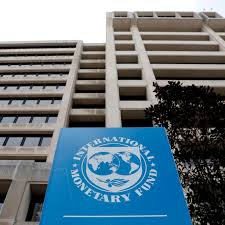
Facing overlapping pressures from instability in the Middle East and a fragile domestic economy, Kenya has officially entered negotiations with the International Monetary Fund (IMF) for a new support program. Treasury Cabinet Secretary John Mbadi announced on Monday that the government aims to finalize the deal by July 2026 to establish a financial buffer against economic shocks stemming from the ongoing conflict between the United States, Israel, and Iran.
The urgency of these talks highlights the vulnerability of East Africa’s largest economy to external shocks. Since the escalation of regional tensions last February, the Strait of Hormuz—a vital artery for global oil and fertilizer shipments—has faced intermittent disruptions. For an import-dependent nation like Kenya, the resulting surge in commodity prices threatens to undo recent progress made in stabilizing domestic inflation.
Minister Mbadi emphasized that the new program is essential for “bolstering the government’s financial capacity and unlocking additional financing opportunities.” While the exact amount remains under negotiation, early estimates suggest Kenya is targeting approximately 100 billion Shillings ($774 million). These funds are intended to serve as a primary defense against “contingencies arising from the Iran war,” which have already driven up the costs of energy and agricultural inputs.
This move marks a significant shift for the Kenyan Treasury. Last year, the government was forced to abruptly halt its four-year IMF program following widespread public protests against proposed tax hikes. That decision left a substantial hole in the national budget and strained relations with international creditors.
The Kenyan government currently finds itself in a difficult position, trying to balance the IMF’s demands for fiscal discipline with the needs of a population weary of the high cost of living. In an effort to shield citizens from the direct impact of the conflict, the government has halved the Value Added Tax (VAT) on petroleum products. However, this relief measure directly conflicts with the “fiscal consolidation” guidelines typically required by the IMF as a condition for lending.
To address these concerns, Mbadi noted that Kenya is undergoing a “governance diagnostic” aimed at fighting corruption and ensuring transparency. Additionally, efforts are underway to resolve creditor concerns regarding the “securitization” of future tax revenues—a practice where projected income for large infrastructure projects is treated as debt.
The July deadline is pivotal for Kenya. As of May 2026, IMF funding has not yet been officially factored into Kenya’s budget documents, meaning the success of these negotiations is “Plan A” for balancing the next fiscal year’s books. The Minister remarked that the government must use “creative financing” to fund the budget, suggesting that if standard funding sources fall through, the government may be forced to seek loans by securitizing future revenue streams. With crude oil prices hovering around $106 per barrel due to the closure of the Strait of Hormuz, the outcome of the talks between Nairobi and Washington will determine whether Kenya can weather the current geopolitical storm or face a worsening debt crisis by the end of 2026. For now, regional eyes remain fixed on July, hoping the new deal will bring stability to an uncertain global landscape.