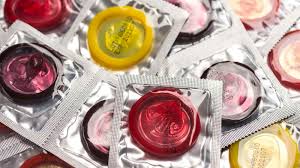
For over twenty years, the condom dispensers in Kenyan university hallways and the discreet packets handed over clinic counters were silent symbols of a long-standing international cooperation. These supplies, largely financed by American taxpayers, were frontline tools in the offensive against the HIV/AIDS epidemic. However, as of this week, that support has vanished, sparking widespread alarm across the nation’s health sector.
The U.S. Department of Health and Human Services’ 2027 budget proposal, currently before Congress, has sent shockwaves through East Africa. The document codifies a seismic shift in American foreign policy, proposing a $4.3 billion cut in global health spending.
The budget explicitly names Kenya as a primary site for the withdrawal of reproductive health aid, with Washington stating bluntly: “The United States should not pay for the world’s birth control.”
This collapse is not a distant threat but a present reality. Following a “stop-work” order issued in January 2025, USAID halted the procurement and distribution pipelines that once provided roughly 200 million condoms annually—effectively half of Kenya’s total national demand.
In high-prevalence regions like Nairobi and Nakuru, the shortage is critical; International Condom Day passed in February without the usual mass distribution drives, and local clinics warn that their remaining stocks may not last through the next few months.
As free supplies disappear, the private market has seen prices skyrocket. A standard three-pack of condoms, which retailed for Sh150 three years ago, now costs as much as Sh600. This economic barrier has placed an impossible burden on the most vulnerable, particularly sex workers.
With the cost of protection now exceeding the earnings from a single client session, many are being forced into high-risk situations. In Nairobi alone, distribution has plummeted from 100,000 pieces daily to near zero, leaving over 17,000 distribution points empty.
Beyond HIV, health officials are witnessing a resurgence of “silent” epidemics. Data from the AIDS Healthcare Foundation (AHF) Kenya indicates that between July 2025 and January 2026, nearly 90% of symptomatic patients tested positive for infections such as syphilis, gonorrhoea, and chlamydia.