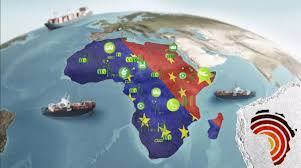
A new joint report by the European Union and the African Union has revealed significant shifts in Africa’s energy sector financing. The report, titled “European Financial Flows to SDG 7 in Africa,” indicates that while Ethiopia ranks among the top ten recipients of EU financial support, its share remains modest compared to the vast scale of Chinese investment across the continent.
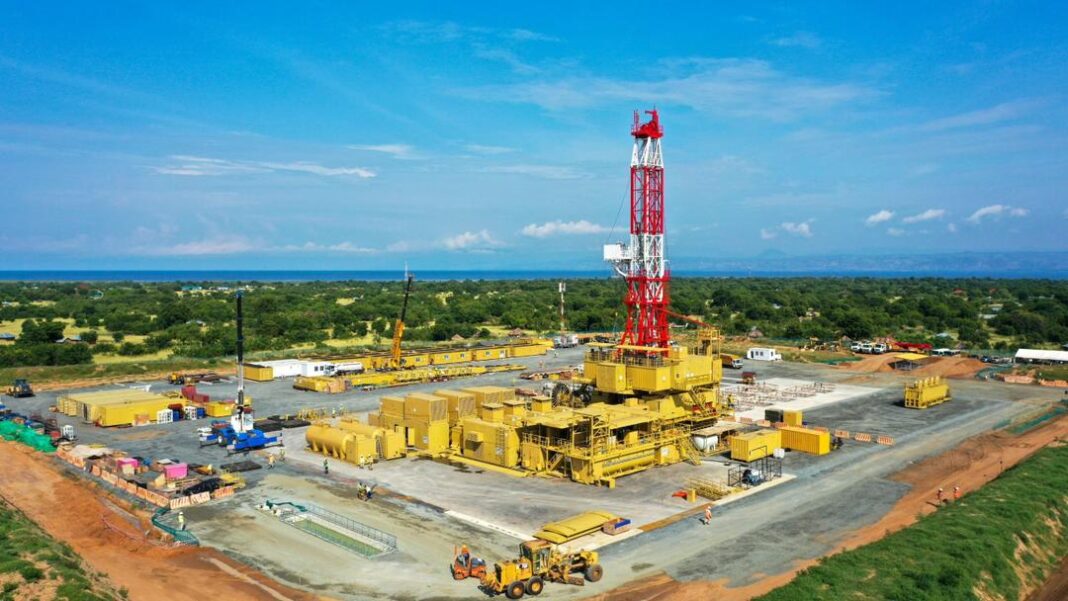
Between 2014 and 2024, the European Union funneled 2.2 billion euros into Ethiopia’s energy sector, placing the country eighth among the top recipients of European funding. However, this support is dwarfed by the massive capital China has poured into African infrastructure.
During the same period, Beijing invested a staggering 15 billion euros in Angola alone, with billions more directed toward South Africa, Zambia, and Nigeria. In contrast, Chinese energy financing in Ethiopia totaled only 0.8 billion euros over the decade leading up to 2023—less than a third of what the country received from the EU.
Despite these multi-billion euro infusions, the energy access gap remains a major concern for Ethiopian policymakers. The report notes that while 35 million Africans recently gained electricity access, rapid population growth has largely offset these gains.
Currently, Sub-Saharan Africa accounts for 85 percent of the global population living without electricity. Ethiopia is at the center of this crisis, with nearly 56.4 million people still lacking power, ranking it third globally for energy deficits behind Nigeria and the Democratic Republic of Congo.
The disparity is also evident in domestic spending. The Ethiopian government spent approximately 2.1 billion euros of its own budget on the energy sector over the reporting decade. While this is higher than the spending of 40 other African nations, it pales in comparison to leaders like Egypt and South Africa, which each invested over 25 billion euros.
This funding gap explains Ethiopia’s recent aggressive economic reforms, such as IMF-backed gold market changes and new taxes on digital creators, as the state seeks to broaden its fiscal base for infrastructure projects.
The report suggests that the era of relying solely on massive national grid expansions may be ending. Between 2020 and 2022, 55 percent of new connections in Sub-Saharan Africa came from decentralized solutions like off-grid solar. For Ethiopia, the path forward requires a balancing act: maintaining its strong partnership with the EU while finding new ways to attract the large-scale Chinese capital that is currently favoring other regions of the continent.