The Mohamed bin Zayed Foundation for Humanity has announced a US$135 million commitment to expand access to essential medicines, medical equipment and healthcare technologies across nine African countries, in a move aimed at reducing preventable maternal and newborn deaths and strengthening primary healthcare services.
The investment is expected to benefit more than 500 health facilities in Ethiopia, Kenya, Liberia, Malawi, Nigeria, Rwanda, Ghana, Sierra Leone and Mozambique. It will support governments in addressing critical shortages of medical supplies and improving the capacity of healthcare facilities to deliver quality services.
Announced during the International Conference on Public Health in Africa (CPHIA) in Addis Ababa on November 26, the commitment is also expected to mobilize more than $550 million in additional financing through matching contributions from participating governments and development partners.
Under the arrangement, each participating government will contribute at least an equivalent amount of funding, creating a co-financing model designed to strengthen national ownership and ensure the sustainability of healthcare investments.
Her Excellency Dr. Shamma Khalifa Al Mazrouei, Director General of the Mohamed bin Zayed Foundation for Humanity, said the initiative aims to ensure that mothers, newborns and children have access to the medical services and supplies needed to prevent avoidable deaths.
She emphasized that healthcare workers require reliable access to essential medicines, equipment and technologies to provide timely and effective treatment.
Across Africa, shortages of essential medical supplies remain a major challenge for health systems. According to figures cited by the Foundation, only 35 percent of essential medicines are available in public health facilities, while fewer than one-third of facilities have the equipment required to conduct basic diagnostic tests.
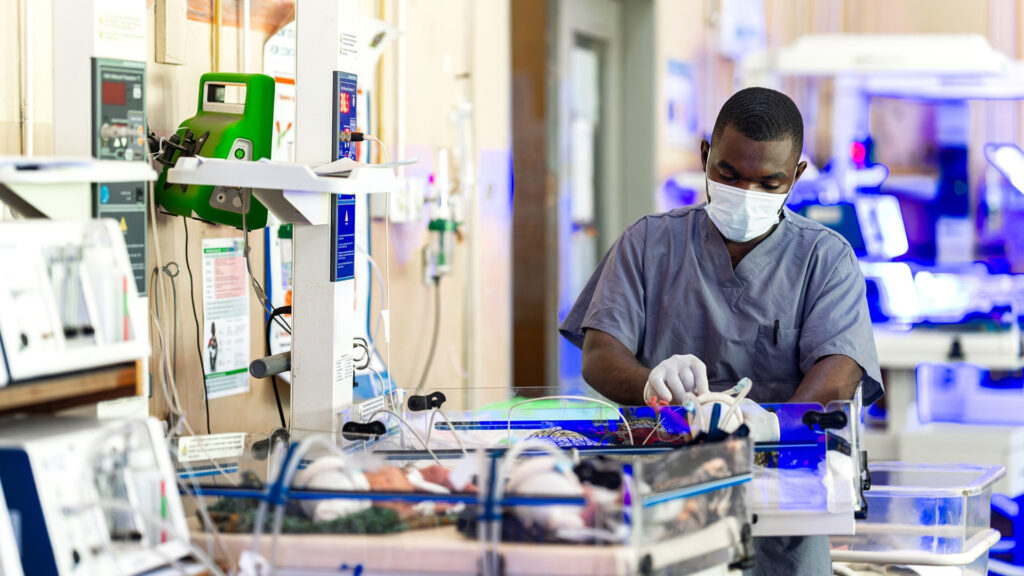
The Foundation said the investment would help address these gaps by supporting government-led healthcare priorities, particularly reproductive, maternal, newborn and child health services.
In Ethiopia, the Foundation was the first development partner to commit to the country’s Reproductive, Maternal, Newborn and Child Health (RMNCH) Compact, pledging $20 million toward the initiative.
The commitment helped mobilize an additional $151.2 million from development partners, which was subsequently matched by the Ethiopian government on a one-to-one basis. The combined financing brought the total resources mobilized under the compact to $342.4 million.
Over three years, the Ethiopian programme is expected to equip approximately 120 health facilities across the country with essential medical supplies and advanced technologies.
Planned investments include artificial intelligence-enabled ultrasound equipment to help healthcare professionals identify pregnancy complications and respond more quickly during childbirth. The programme will also provide antibiotics to reduce the risk of sepsis, a potentially life-threatening infection affecting mothers and newborns.
Ethiopia’s Minister of Health, Dr. Mekdes Daba, said the partnership represents a new approach to financing healthcare through shared investment and mutual accountability.
She noted that strengthening the availability of essential medicines, medical equipment and health commodities remains central to the country’s broader health sector transformation agenda.
Rwanda is another major beneficiary, with the Foundation committing $15 million to supply essential equipment to 170 health facilities, including district and teaching hospitals. The investment is expected to mobilize an additional $40 million in financing.
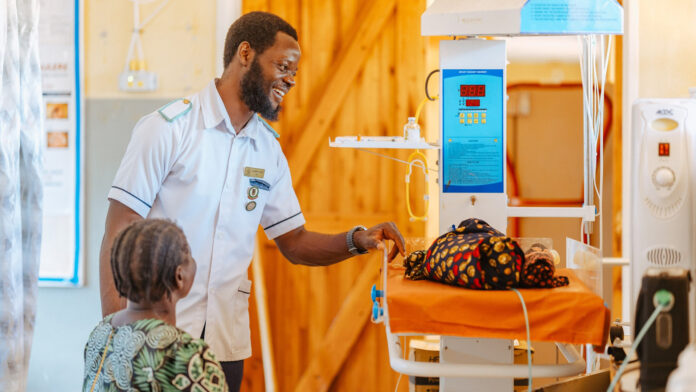
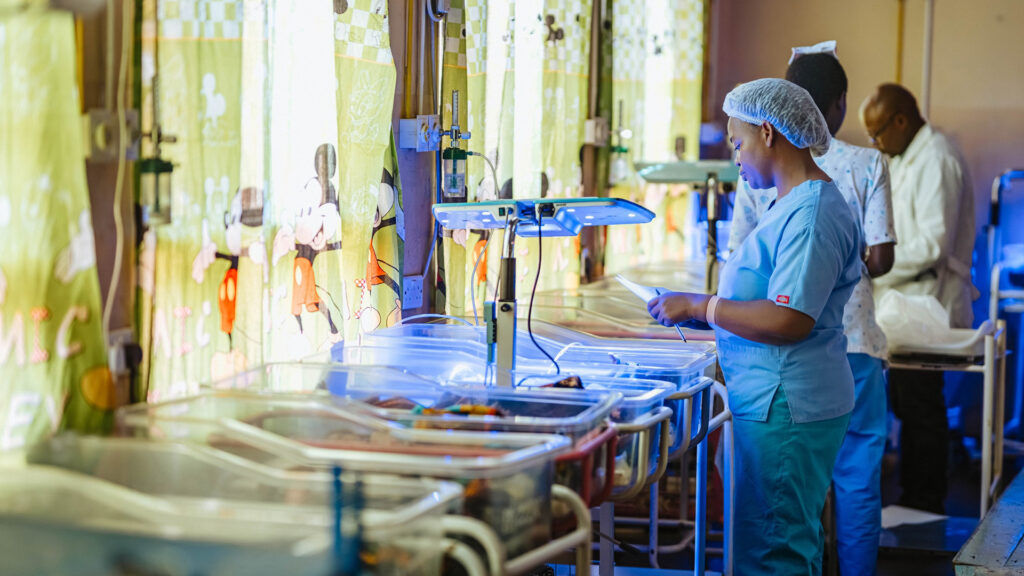
The programme will support safer childbirth and newborn care through equipment designed to manage postpartum bleeding, alongside incubators and respiratory support technologies for premature and critically ill newborns.
In Liberia, the Foundation has committed $10 million to strengthen the country’s national referral teaching hospital and affiliated healthcare facilities. The funding will support technologies for managing complicated deliveries, stabilizing critically ill newborns and children, and improving bedside diagnosis.
The Liberian programme will also invest in clinical mentorship for doctors, nurses and midwives to ensure that healthcare professionals can effectively use the new technologies. In addition, it will support the development of national biomedical engineering expertise to improve equipment maintenance and repairs.
The Foundation’s initiative reflects growing efforts to combine international development financing with domestic government resources to address persistent weaknesses in African healthcare systems.