Concerns over patient safety and regulatory integrity in Kenya’s healthcare sector have intensified following revelations of conflicting versions of the Medical Training College Diploma in Community Oral Health curriculum, prompting urgent calls for independent investigations and strict adherence to legal boundaries of medical practice.
The controversy, flagged by the Kenya Dental Association (KDA), centers on multiple discrepancies in training documents submitted to regulators and used across teaching institutions. According to concerns raised by the association, one version of the curriculum was reportedly submitted by the college chief executive officer to the Kenya Medical Practitioners and Dentists Council (KMPDC) in November 2024, while a different version was submitted by Daudi Wafula in May 2025. Further compounding the confusion, teaching faculty across various campuses were reportedly using yet other versions of the document as of November 2026.
Health sector stakeholders are now demanding clarity on which curriculum is authentic, officially approved, and properly validated, questioning the whereabouts of the stakeholder validation reports, meeting minutes, and formal approvals authorizing any revisions. Critics warn that the dispute goes far beyond an internal administrative disagreement, directly affecting the competence, training standards, and lawful scope of practitioners treating members of the public.
Under established healthcare frameworks, Community Oral Health Workers are trained to play a vital supportive role in community-based oral health promotion, public education, disease prevention, surveillance, data collection, and preliminary screening. Their mandate is to identify patients requiring specialized care and refer them to qualified dentists for definitive diagnosis and treatment. While they provide limited emergency assistance, they are meant to complement—not replace—dentists, who undergo up to six years of rigorous Bachelor of Dental Surgery training.
Observers point out that for approximately 15 years, both national and county governments have struggled to provide consistent employment opportunities for Community Oral Health graduates. However, health commentators stress that workforce absorption challenges cannot be resolved by administratively altering training documents or expanding clinical privileges beyond a practitioner’s legal competence.
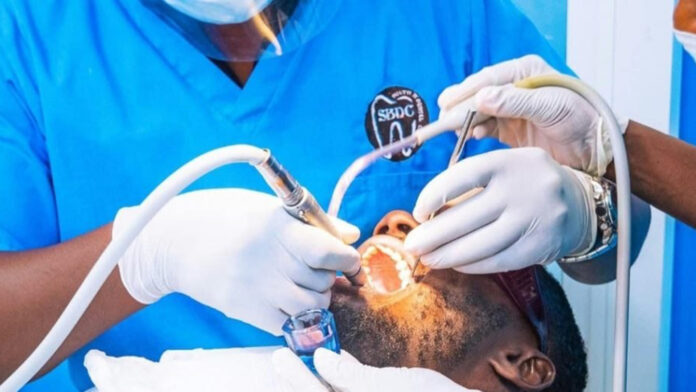
Alarm has also been raised over reports of practitioners performing invasive dental procedures outside their legally recognized scope of practice—a boundary previously defined by the Ministry of Health in 2017 and reiterated by the Director General of Health in February 2025. Allowing underqualified personnel to undertake complex clinical procedures, critics argue, effectively turns unsuspecting patients into experimental subjects in an unregulated expansion of medical practice.
Even more troubling are allegations that conflicting curriculum documents may have influenced regulatory decisions at the KMPDC, alongside claims of bribery involving senior Council officials. Stakeholders are calling for an independent probe to verify the authenticity of the curricula, audit professional competencies, and examine the legal basis for any proposed expansion of clinical duties.
In response to the escalating dispute, calls have mounted for the Ministry of Health, the Medical Training College Board and management, and the KMPDC to urgently establish the exact history of every curriculum version, publish all stakeholder validation records, and hold accountable anyone responsible for preparing, approving, or transmitting unauthorized documents. Furthermore, regulators have been urged to scrutinize the rapid proliferation of healthcare training programs across the country to ensure strict compliance with quality standards.
The controversy unfolds against the backdrop of conservatory court orders issued in August 2026 aimed at safeguarding the public from potential clinical harm. Legal and health advocates insist that these court directives must be fully respected and that ongoing investigations proceed free from intimidation, interference, or institutional protectionism. Meanwhile, members of the public are being advised to verify the qualifications, professional registration, and authorized scope of practice of healthcare providers before undergoing treatment.