
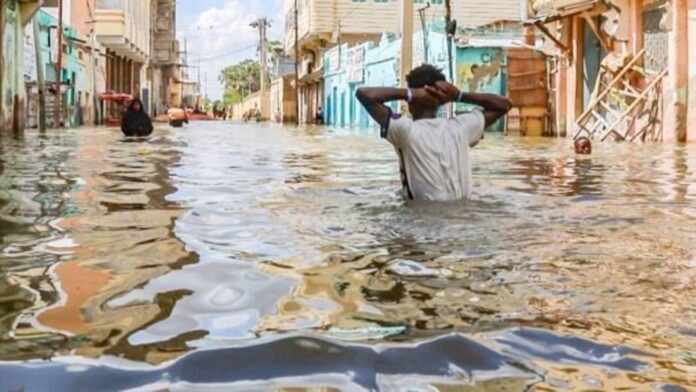
Somalia faces a heightened risk of flooding and damage to critical water infrastructure as forecasts point to a potentially strong El Niño, raising concerns about the safety and reliability of water supplies ahead of the 2026 Deyr rainy season.
An assessment of strategic water sources across Somalia has identified 595 sources as being at high or very high risk from potential flooding. The findings highlight the need for early preparedness, infrastructure protection and coordinated action to reduce the impact of heavy rainfall on communities that depend on these facilities for drinking water and other essential needs.
According to the assessment, a total of 7,517 strategic water sources were screened for flood-related risks. Of these, 71 were classified as being at very high risk, while another 524 were identified as high risk. The results indicate that hundreds of water facilities could face significant challenges if severe flooding occurs.
Water infrastructure is particularly important in Somalia, where many communities rely on boreholes, wells and other water facilities for their daily needs. Flood damage could disrupt access to safe water, increase pressure on already vulnerable households and complicate humanitarian operations.
The assessment indicates that risk is concentrated in several locations, with ten districts accounting for approximately 65 percent of the identified at-risk water infrastructure. This concentration offers an opportunity for authorities and humanitarian partners to prioritize preparedness measures in areas where interventions could protect a substantial share of vulnerable facilities.
Possible measures include inspecting water points, strengthening protective structures, improving drainage around facilities and preparing plans to restore services quickly if infrastructure is damaged. Water providers and local authorities can also identify alternative sources to help communities maintain access to water during emergencies.
The findings underscore the importance of acting before heavy rainfall begins rather than waiting until flooding has already damaged critical facilities. Preventive measures can help reduce disruptions and support a faster response when communities are affected.
El Niño is a climate phenomenon associated with changes in ocean temperatures in the equatorial Pacific that can influence weather patterns in different parts of the world. In the Horn of Africa, climate conditions and seasonal rainfall forecasts are closely monitored because shifts in rainfall can affect flooding, agriculture, water availability and humanitarian needs.
The outlook referenced in the assessment raises concerns about the possibility of heavy rainfall and flooding during Somalia’s 2026 Deyr season. Forecasts from regional and international climate-monitoring agencies, including the Intergovernmental Authority on Development’s Climate Prediction and Applications Centre (ICPAC) and the US National Oceanic and Atmospheric Administration (NOAA), are important sources of information for preparedness planning.
However, the extent and location of any flooding will depend on actual weather conditions as the season develops. Forecasts should therefore guide readiness and risk reduction, rather than be interpreted as confirmation that every identified location will experience flooding.
Damage to water infrastructure can have consequences beyond the physical destruction of wells, boreholes and associated equipment. Floodwater may carry sediment, waste and other contaminants into water sources, increasing the risk that communities will be left without safe drinking water.
When regular supplies are disrupted, households may be forced to travel farther to collect water or rely on less protected sources. These conditions can increase hardship for families and create additional public health concerns, particularly where sanitation services are already under pressure.
Flooding along river corridors, including areas associated with the Shabelle and Juba rivers, is another concern for communities and infrastructure exposed to rising water levels. Localized flooding can damage access routes, hinder the movement of supplies and make it more difficult for response teams to reach affected settlements.
Protecting water points should therefore be part of wider flood preparedness plans that also consider sanitation, public health, transport and emergency access.
The assessment points to the importance of translating risk information into practical action. Authorities, humanitarian organizations and water-sector partners need to identify the most vulnerable facilities, determine which protective measures are feasible and ensure that essential materials and technical support are available before the rainy season intensifies.
Preparedness may include clearing drainage channels, reinforcing embankments where appropriate, securing vulnerable equipment, checking the condition of water points and establishing procedures for emergency repairs. Communities should also receive timely information about potential flood hazards and how to protect water supplies.
Funding will be essential to carry out these activities at the scale required. Without sufficient resources, high-risk facilities could remain exposed, increasing the likelihood of costly emergency repairs and prolonged interruptions to water services.
Coordination between local authorities, water-service providers, humanitarian agencies and communities will be equally important. Sharing assessment findings and monitoring changing weather conditions can help direct limited resources to the places where they are most urgently needed.
With 595 strategic water sources identified as being at high or very high risk, Somalia faces an important window for preventive action before the 2026 Deyr rains. The figures do not mean that all these facilities will be damaged, but they identify locations that warrant closer monitoring and targeted protection.
Early intervention could help maintain access to safe water, limit damage to essential infrastructure and reduce the burden on emergency responders if flooding occurs. As seasonal forecasts are updated, preparedness plans will need to be reviewed and adjusted to reflect emerging risks.
The assessment provides a basis for prioritizing action, particularly in the districts that contain the largest share of vulnerable water sources. Protecting these facilities before heavy rainfall arrives will be crucial to reducing the potential humanitarian consequences of flooding.


