Ethiopia is solidifying its position as the premier energy powerhouse of East Africa. According to recent updates from Ethiopian Electric Power (EEP), the nation is putting the finishing touches on critical infrastructure and technical preparations to double its electricity exports to neighboring Kenya, scaling the total supply volume up to 400 megawatts (MW). Scheduled to take effect in December 2026, this significant represents a massive leap forward in cross-border cooperation, energy security, and regional economic integration across the Horn of Africa and beyond.
Dnestalem Hailu, EEP’s Deputy CEO for the Transmission Business Sector, stated that technical and operational adjustments between Addis Ababa and Nairobi have reached their ultimate phases. Under the newly calibrated arrangement, the Kenya Power and Lighting Company will import up to 400 MW during peak demand periods. Meanwhile, off-peak offtake will be adjusted to 150 MW—a modernized structure that successfully updates and optimizes the previous framework of 200 MW during peak and 65 MW during off-peak hours.
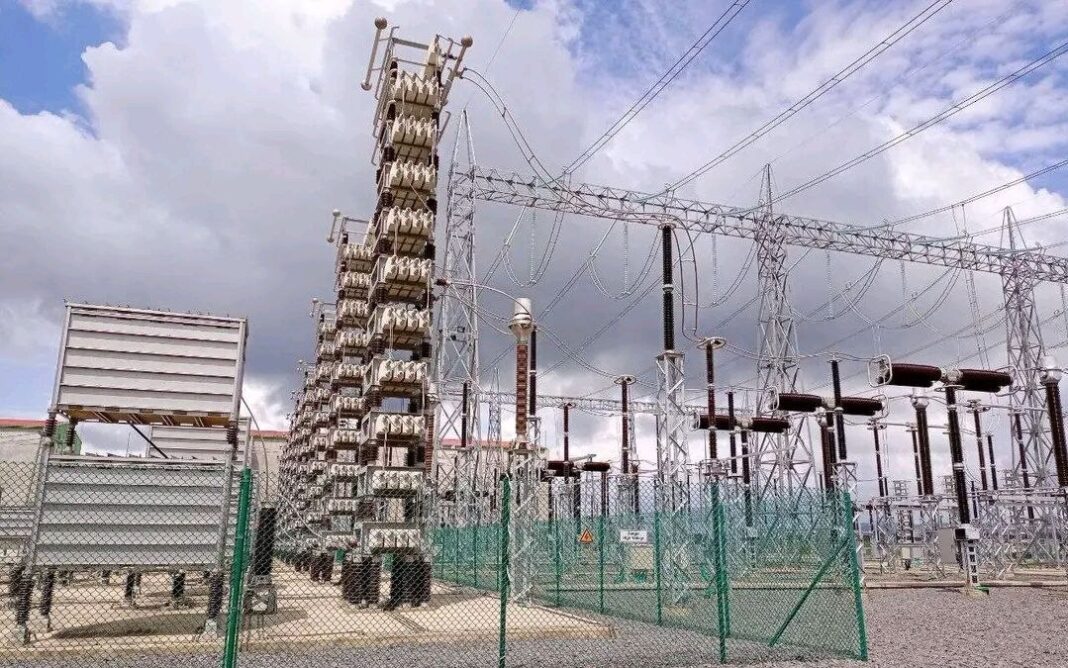
The foundation of this robust trade relationship traces back to a landmark power purchase agreement originally signed in 2012. Although initial construction timelines encountered delays, perseverance paid off when the monumental 500-kilovolt Ethiopia-Kenya High Voltage Direct Current (HVDC) interconnector officially commenced operations in late 2022. Stretching an impressive 1,045 kilometers from Wolayta-Sodo in southern Ethiopia all the way to Suswa in Kenya, this mega-project was realized through a $1.26 billion investment backed by key international partners, including the World Bank and the African Development Bank.

Beyond technical achievements, the partnership is delivering immediate economic dividends. A comprehensive power supply agreement established between the Ethiopian Electric Utility and Kenya Power details a competitive rate of approximately 24.07 Birr (roughly $0.15) per kilowatt-hour, inclusive of capacity and demand charges.
According to data compiled by the World Bank, these cost-effective hydropower imports have yielded profound savings for Kenya. During its first full year of importing clean energy from Ethiopia, Kenya saved approximately $10 million. By displacing costly, fossil-fuel-dependent thermal generation, the arrangement has cushioned Kenyan consumers from steep tariff hikes while injecting financial sustainability into EEP’s operations.
Ethiopia’s ambitions do not stop at the Kenyan border. The nation is actively weaving a multi-country energy corridor within the framework of the Eastern Africa Power Pool (EAPP). EEP has disclosed that Ethiopia is already supplying 100 MW of electricity to Tanzania on a pilot basis. Regular commercial power sales to Tanzania will launch as soon as connecting infrastructure upgrades between Kenya and Tanzania reach completion.
This transmission corridor—stretching from Sodo through Kenya’s Suswa substation to Arusha in northern Tanzania—acts as a critical bridge. Ultimately, it lays the groundwork to link Eastern African power pools further south with Zambia, bridging regional power systems across the continent. Currently, Ethiopia successfully exports stable electricity to Djibouti, Kenya, Tanzania, and Sudan, while advanced negotiations with South Sudan and expressions of interest from Somalia point toward an even broader continental footprint.
Guided by the overarching motto “Clean Energy for a Better Life,” Ethiopia’s strategic expansion of renewable energy exports is transforming foreign exchange generation. By harnessing the generation capacity anchored by major national projects like the Grand Ethiopian Renaissance Dam, Ethiopia is doing more than just lighting neighboring homes—it is single-handedly building the infrastructure for a unified, resilient, and prosperous East African economy.