Sudan has officially launched a national digital public procurement platform. State Minister for Finance Mohamed Nour Abdeldaim announced the rollout of Nazaha—the National Digital Public Procurement and Contracting System—on August 8. This ambitious initiative is designed to digitize government procurement procedures, enhance transparency, and foster fair competition in the awarding of state contracts.
The unveiling of Nazaha represents a cornerstone of Sudan’s broader public financial management (PFM) reform program. According to reports from the Ecofin news agency, the reform agenda encompasses several critical pillars, including comprehensive budget reforms, the establishment of a Treasury Single Account, and the overall digitization of state financial management. Described by Minister Abdeldaim as a transformative milestone in public spending management, the platform aligns Sudan’s administrative framework with recognized international best practices in governance and accountability.
The implementation of these financial reforms takes place against a grim economic backdrop. Since the outbreak of armed conflict in April 2023, Sudan’s economy has faced catastrophic setbacks. Real Gross Domestic Product (GDP) plummeted by an alarming 29.4% in 2023, followed by a further contraction of approximately 14% in 2024.
Government finances have borne the brunt of this instability. State revenues, which stood at a modest 10% of GDP in 2022, plunged to less than 5% over the 2024–2025 period. The severe contraction of government revenue severely constrained the state’s capacity to deliver essential public services, manage scarce resources, and address widespread humanitarian needs.
While economic indicators point toward a tentative stabilization, the road to recovery remains fraught with challenges. Recent assessments indicate a modest recovery in economic activity, with growth estimated between 1.2% and 3.1% in 2025. However, this marginal rebound has done little to alleviate the immense hardships faced by the general population.
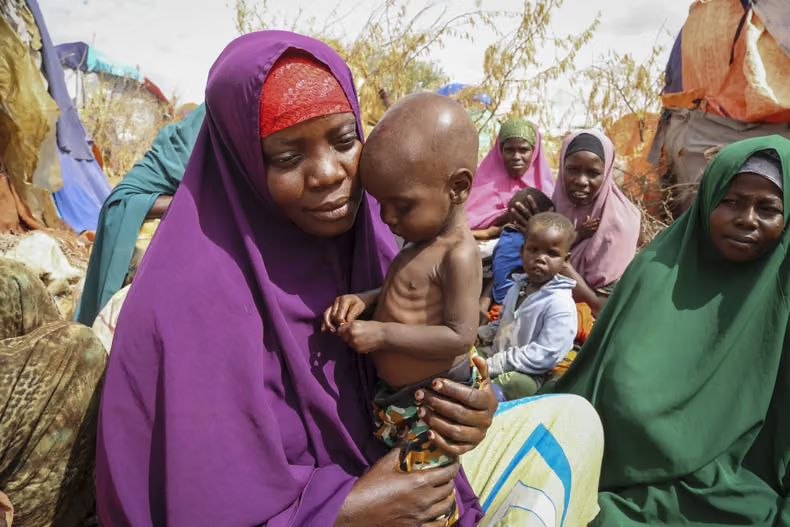
The cumulative damage inflicted on infrastructure, trade, and administrative systems has left millions vulnerable. Underscoring the depth of the crisis, the United Nations launched a massive $2.87 billion humanitarian plan in February 2026 to address the urgent needs of the Sudanese population.