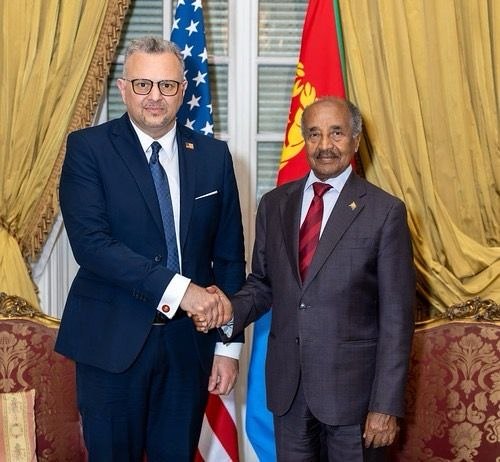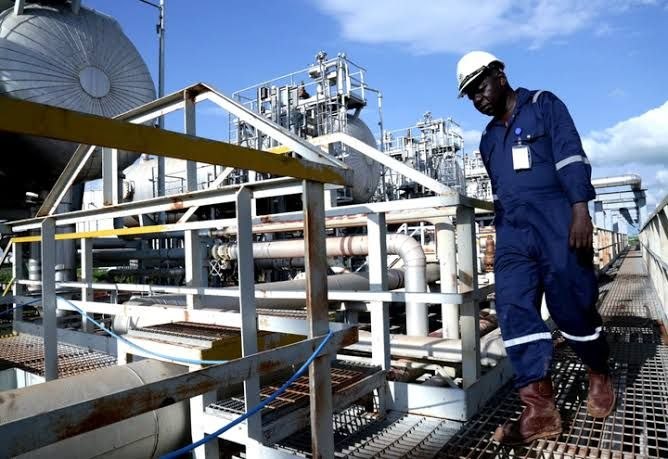
The government of South Sudan has announced a comprehensive overhaul of its regulatory framework. This initiative follows a high-level engagement between government officials and representatives from the African Energy Chamber (AEC) in Juba, aimed at establishing a robust, investor-friendly environment across the national oil value chain.
South Sudan maintains a competitive advantage as the only major oil producer in East Africa, with proven reserves estimated at 3.5 billion barrels. Despite this endowment, the sector’s historical performance has been constrained by persistent underinvestment, logistical bottlenecks, and regulatory volatility. The government’s new reform agenda seeks to address these systemic challenges, ensuring the country can effectively monetize its significant resource base.
Current production remains steady, ranging between 70,000 and 100,000 barrels per day. Projections for the period between August and November 2026 estimate an output of 8.5 million to 12.2 million barrels. Industry operations are currently led by the national oil company, Nilepet, in collaboration with international stakeholders, including the Dar Petroleum Operating Company, the Greater Nile Petroleum Company (operated by the China National Petroleum Corporation), and the Sudd Petroleum Operating Company. Furthermore, South Africa’s Strategic Fuel Fund—holding a 90% interest in the Block B2 concession—is actively pursuing exploration and downstream refining development.
The proposed reforms signify a transition toward a more predictable and competitive investment climate. The government, in consultation with the AEC, is prioritizing the removal of barriers to entry, the optimization of project execution timelines, and the formalization of stable regulatory protocols. These measures are designed to mitigate risks for international energy firms, encouraging renewed commitment to both mature fields and high-potential frontier acreage.
Beyond traditional crude oil extraction, the administration is prioritizing a holistic approach to the national energy crisis. By integrating natural gas development and modernizing power generation infrastructure, the government aims to achieve greater fuel security and economic diversification. This broader energy strategy is intended to foster resilience against the price volatility often associated with commodity-dependent economies.
Integral to these reforms is a commitment to sustainable economic growth and local empowerment. The current dialogue between the government and the AEC emphasizes the necessity of developing robust local value chains and increasing employment opportunities for the domestic workforce.
“The Chamber is committed to promoting South Sudan’s energy opportunities on the global stage,” noted NJ Ayuk, Executive Chairman of the AEC. “By connecting global investors with domestic stakeholders and supporting the implementation of a competitive, stable regulatory framework, we aim to facilitate long-term growth and ensure that energy projects provide enduring benefits to the national economy.”