Somalia, in partnership with the Turkish state-owned oil company (TPAO), has embarked on a significant deep-sea oil exploration project off its coast that marks a pivotal moment in the nation’s economic recovery. The “Curad-1” oil well drilling operation is currently underway, and officials have confirmed that the initial exploration results are expected to be released by the end of 2026. This project is being hailed as the most ambitious strategic move the nation has taken toward economic transformation following decades of instability.
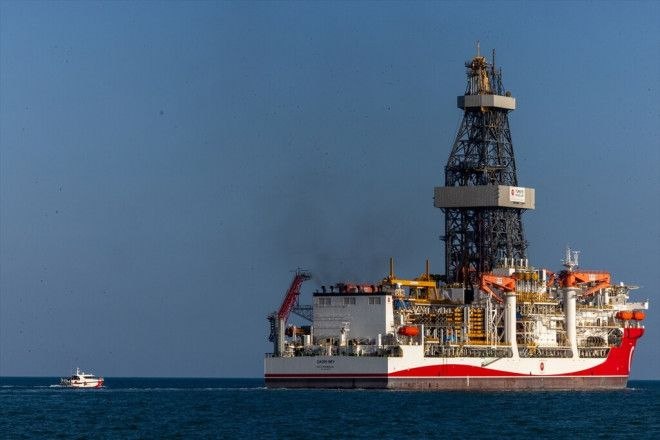
Curad-1 is located approximately 372 kilometers northeast of Mogadishu at a sea depth of 3,500 meters. This drilling operation represents the first officially conducted offshore oil exploration in Somali history. The project aims to reach a total depth of 7,500 meters, which, if successful, would make it the second-deepest offshore well in the world. The campaign, which began in April 2026, is expected to take up to 288 days to complete. The operation is being led by the high-tech, seventh-generation drillship Çağrı Bey, which is currently working under the protection of the Turkish Navy.
This drilling campaign follows extensive 3D seismic surveys conducted by the Turkish vessel Oruç Reis between October 2024 and June 2025, which provided highly encouraging data. The operation is rooted in a comprehensive energy cooperation agreement signed between the two nations in March 2024. Turkish Energy Minister Alparslan Bayraktar has described the mission as Ankara’s first overseas deep-sea drilling operation, marking a historic milestone in Türkiye’s expanding international energy exploration efforts.
Somalia maintains that it is rich in hydrocarbon resources, with some estimates suggesting the potential for up to 30 billion barrels of oil reserves. However, the terms of the agreement have sparked debate among experts. Under the current deal, the Turkish company may recover up to 90% of total production, while the royalty payment is capped at 5%. Critics argue that this structure significantly reduces the revenue due to the Somali state. Furthermore, Article 8 of the agreement mandates that Somalia compensate the Turkish contractor if future legislative changes result in additional costs for them.
Conversely, proponents argue that Somalia currently lacks the independent financial and technological capacity to undertake such an immense project. With the cost of drilling a single deep-sea well reaching up to $100 million, they contend that partnering with a willing investor like Türkiye is the only realistic option available to the nation.
The Somali coastline has long been a “virgin” territory in the oil exploration sector. While several international companies held concessions prior to the collapse of the central government in 1991, there has yet to be a commercially verified discovery.
The success of Curad-1 could alter the energy dynamics of East Africa. A project producing between 200,000 and 300,000 barrels per day would not only transform the regional industrial landscape but also provide a significant boost to Indian Ocean energy supplies. Furthermore, because this oil source would not require transit through the Strait of Hormuz, it offers distinct logistical advantages.