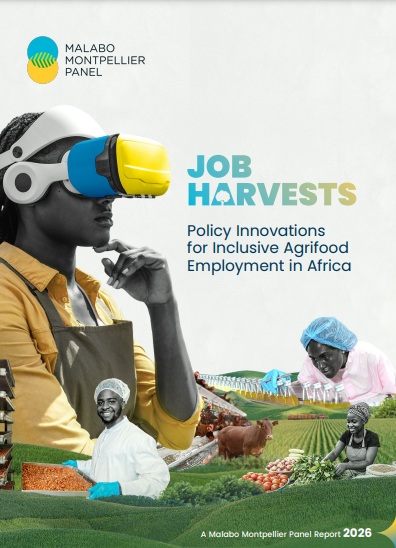
East Africa’s agrifood sector is emerging as a major source of jobs and economic transformation as governments move to expand value chains, improve skills, and strengthen regional trade links, according to a new report on inclusive agrifood employment in Africa.
The report, Job Harvests: Policy Innovations for Inclusive Agrifood Employment in Africa, says the region’s employment challenge is being shaped by rapid population growth, rural labour pressure, climate shocks and low-productivity work, even as agrifood systems remain central to livelihoods and growth.
It notes that agriculture and the wider agrifood system still absorb a large share of workers across Africa, but employment is gradually shifting toward processing, logistics, trade and other off-farm activities. The report argues that this transition can create better jobs if supported by infrastructure, finance, digital tools and stronger policy coordination.
Ethiopia is highlighted as one of the countries driving policy innovation in the region. The report says the country’s Agricultural Growth Program helped raise yields and sales, while the Women Entrepreneurship Development Project expanded access to loans and training for women-owned enterprises. It also points to Ethiopia’s AfCFTA participation as an example of how regional trade can support job creation and structural change.
Uganda is cited for reforms that linked technical and vocational training to labour market demand. The report says the Uganda Skills Development Project enrolled more than 82,000 beneficiaries, developed internationally accredited courses, and helped create more than 1,600 jobs.
Rwanda is presented as another East African case where investment in feeder roads and land tenure reforms has improved market access, encouraged agricultural investment and supported rural employment. Kenya is also mentioned for agricultural digital platforms that have connected more than 1 million farmers to advisory and market information services.
The report says these examples show that East Africa’s employment future will depend not only on farm production, but also on agro-processing, transport, warehousing, digital services and rural non-farm enterprises. It adds that youth and women remain most exposed to barriers such as weak skills, limited land access, poor finance, and climate vulnerability.
For East Africa, the report suggests that agrifood transformation will be most effective where governments combine investment in roads, storage, energy and digital connectivity with reforms in education, land governance and access to credit. It also says regional trade under the AfCFTA could help expand demand for processed food and agricultural products across borders, creating more jobs beyond primary farming.
The broader message is that the region’s agrifood sector is not just about food production, but also about building a more resilient labour market for a fast-growing youth population. According to the report, the quality of jobs — not just their number — will determine whether agrifood transformation delivers inclusive growth.