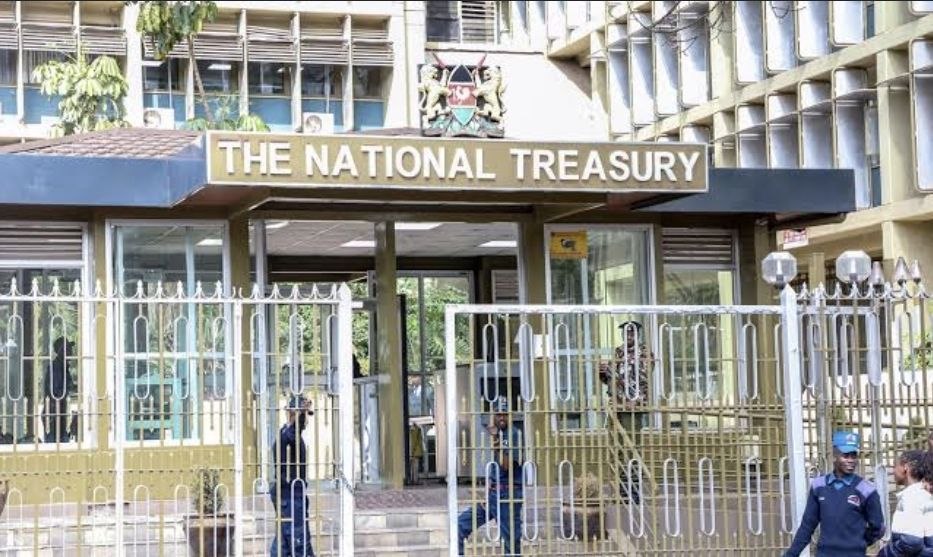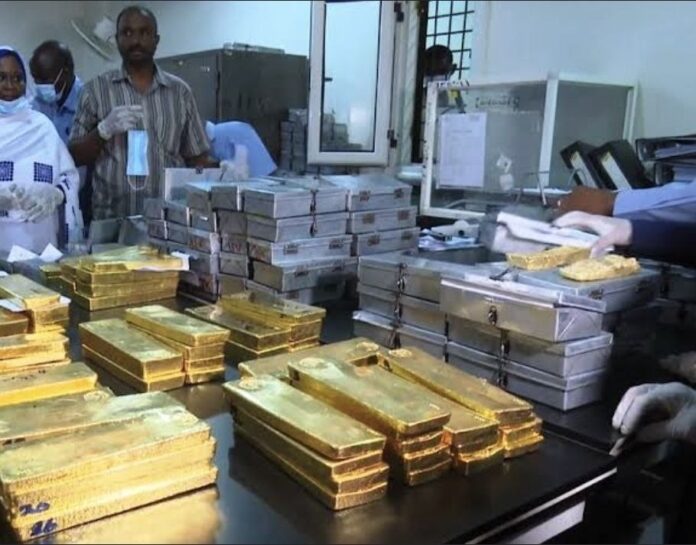
In a bid to curb the foreign currency crisis and regulate the number of fuel importers, the Central Bank of Sudan has issued a strict new directive. Accordingly, any company wishing to import petroleum products into the country is now required to deposit 200 kilograms of gold with the central bank.
Under the new directive issued by the Central Bank of Sudan, companies importing petroleum products are required to deposit 200 kilograms of 21-karat physical gold as collateral, rather than providing bank or paper guarantees. The bank’s statement indicates that this decision was made to curb manipulation in the fuel market and to ease the heavy pressure on foreign currency reserves.
Sudan’s reliance on imported petroleum products has surged significantly. The primary reason for this is the devastating ongoing war in the country, which has completely knocked Khartoum’s main and largest oil refinery out of service. This refinery previously met about 70 percent of the nation’s domestic fuel needs; its destruction has left the country heavily dependent on fuel imports and facing a severe foreign currency drain.
The central bank’s circular explains that fuel importing companies will only be granted import certificates if they deposit the specified amount of gold in advance. Additionally, the regulation mandates that importers must verify the arrival of shipments and finalize payments within 21 days. This procedure is aimed at bringing the import process under control and ensuring that commercial activities are backed by tangible economic resources.
Central Bank Officials said “This measure will help the central bank build up its gold reserves and anchor import operations to tangible assets. This, in turn, will help create monetary stability and limit price speculation in the fuel market.”
Motasim Mohamed Saleh, Secretary-General of the Sudan Gold Exporters Chamber, told the Sudan Tribune that the central bank’s decision is viewed positively. According to him, this system will weed out financially weak companies whose high demand for foreign currency had driven the Sudanese pound to record lows against the US dollar.
Saleh added that the move will stimulate the domestic gold trade and boost government reserves, as it forces importers to purchase gold from the local market. He also noted that obtaining physical gold collateral instead of paper guarantees will significantly ease the government’s oversight and monitoring efforts.
However, Saleh also warned of potential negative consequences. The 200-kilogram gold requirement could be beyond the financial capacity of small and medium-sized local enterprises, effectively forcing them out of the market. This, in turn, could concentrate fuel imports into the hands of a few giant corporations. A reduction in the number of importers would eliminate market competition, potentially leading to further increases in domestic fuel prices.
Although the policy strategically links Sudan’s two most vital commodities (gold and fuel), freezing large amounts of gold outside of commercial circulation and raising financing costs for importers remains a significant challenge.