
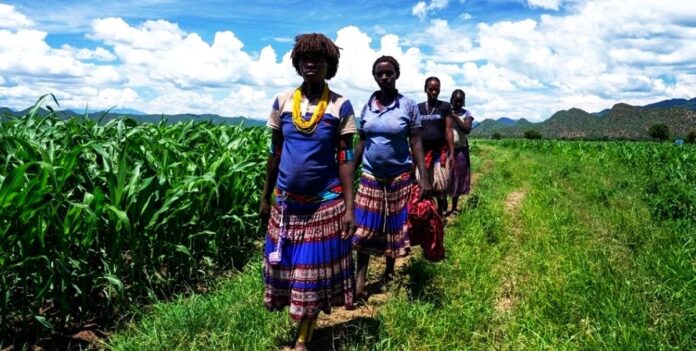
Ethiopian farmers are increasingly moving beyond subsistence farming as new support programs help them improve yields, restore soil health, and build more reliable incomes. The shift is being driven by a mix of training, improved agricultural practices, and stronger market connections.
A recent development initiative has encouraged farmers to adopt climate-smart methods such as integrated soil fertility management and composting. Those changes are helping smallholders produce more from the same land while reducing their dependence on increasingly unpredictable rainfall.
The push comes at a time when Ethiopian agriculture remains vulnerable to climate shocks, input shortages, and market disruptions. For many rural households, a poor harvest can quickly lead to food insecurity, making resilience measures essential.
Support efforts have also included extension services, savings groups, and improved access to seeds and other farm inputs. In some areas, farmers are diversifying production and using better storage and marketing systems to protect their harvests and improve earnings.
The broader goal is not only to prevent hunger, but to turn farming into a more stable livelihood. For Ethiopian rural communities, that means shifting from day-to-day survival toward a more secure agricultural future.