
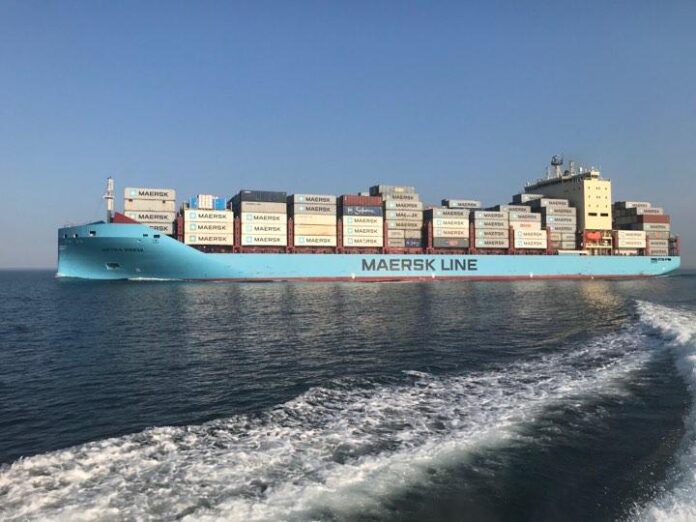
In a move signaling the end of the traditional “border inspection” era, global shipping giant Maersk and AI technology leader Altana have officially launched a revolutionary Product Passport system.
Set to be implemented across 12 strategic ports handling 70% of global trade, this initiative is expected to significantly transform the economic landscape for African nations. It signals that countries must embrace rapid digital transparency or risk being excluded from global markets.
For decades, the bottleneck of international trade has been the delay caused by physical inspections—slow, manual cargo verification processes at ports. This new partnership shifts that paradigm toward continuous product-level verification.
Integrated into the Gemini Cooperation, a partnership between Maersk and Hapag-Lloyd, these digital passports serve as an immutable “DNA record” for every item inside a container. They track the origin of goods, labor standards, carbon emissions, and regulatory compliance in real-time.
Before a ship leaving Mombasa or Lagos even reaches a port in Europe or Asia, its “passport” will have already cleared customs via the digital cloud.
”Global trade systems are increasingly demanding product-level verification rather than traditional border-focused customs processes,” said Altana CEO Evan Smith.
This rollout of Artificial Intelligence comes at a critical time as the African Continental Free Trade Area (AfCFTA) matures. African economies, largely dependent on agriculture, minerals, and textiles, are currently facing strict new international regulations, such as the European Union’s ‘Digital Product Passport.’
For countries like Kenya, South Africa, and Egypt, which have invested billions in port digitization, the Maersk-Altana system provides a fast track to global markets. By adopting these digital requirements, African exporters can instantly prove their products meet sustainability and labor rights standards, reducing the high insurance and financing costs previously imposed on African trade.
However, this “Silicon Silk Road” comes with its own set of challenges. Analysts warn of a growing digital divide. While major trade hubs may flourish, landlocked smaller nations and Small and Medium Enterprises (SMEs) risk being left behind.
The African Development Bank (AfDB) has long cited customs and port inefficiencies as major barriers to intra-continental trade. If a small textile manufacturer in Ethiopia or a cocoa cooperative in Ghana lacks the infrastructure to issue a “Product Passport,” their goods could be downgraded, face long delays, or be hit with higher taxes.
The foundation of this transformation is Altana’s AI-driven trade network. Unlike old centralized databases, this system uses a federated data model. This allows customs authorities to verify the authenticity of cargo without compromising trade secrets or national sovereignty.
Lars Karlsson, Maersk’s Head of Trade and Customs Consulting, described the system as a way to “build trusted digital trade corridors.” In an era of geopolitical tensions and trade sanctions, using unbiased, automated AI is seen as a major solution to reducing corruption and human error at borders.