
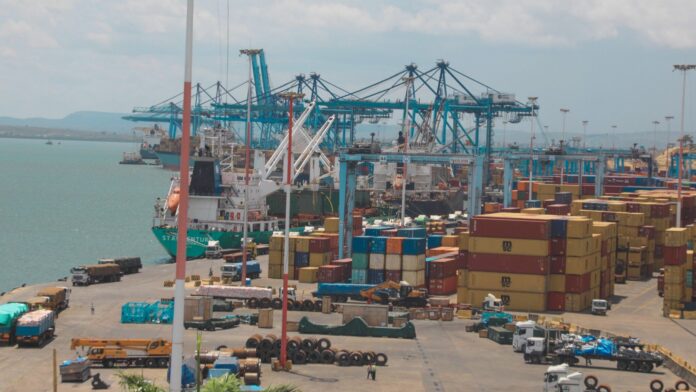
The East African Community (EAC) faces growing fears that import costs could reach record highs as the escalating crisis in the Gulf region begins to disrupt global supply chains. Already struggling with logistics costs that significantly exceed the international average, the region is now caught in a “perfect storm” created by rising fuel prices and shipping delays.
According to the latest data from the Shippers Council of Eastern Africa (SCEA), the region is currently spending nearly double the global average on transport costs. While the worldwide average cost to ferry a cargo container is approximately $1 per kilometer, the rate in East Africa stands at $1.8.
Experts warn that this figure could rise to $2.1 due to the instability in the Gulf. The primary driver for this increase is the surge in fuel prices; as the Gulf crisis disrupts oil production and transport routes, carriers are forced to pass these costs directly to importers and the general public.
The impact of the crisis is already visible across major transport hubs in Kenya and Uganda. In Kenya, road transporters have announced a 14 percent price hike to cope with fluctuating diesel costs. Simultaneously, the Kenya Railways Corporation (KRC) has introduced a “fuel price adjuster” to its 2026 cargo tariffs to guard against sudden energy cost spikes.
Furthermore, aviation operators in both Kenya and Uganda have implemented fuel surcharges, signaling that even high-value, time-sensitive freight will not be immune to the crisis.
The situation has been further complicated by a U.S.-imposed blockade in the Gulf. This geopolitical move has made delivery timelines highly unpredictable. Importers who previously relied on clear schedules are now facing indefinite delays, leading to increased warehouse expenses and commodity shortages.
An industry analyst noted that the blockade is a direct blow to the East African economy, stating that combining existing infrastructure challenges with a global energy crisis and closed sea lanes results in massive inflationary pressure on everything from electronics to basic food items.
Because the region relies heavily on imported machinery, petroleum products, and manufactured goods, rising costs could derail the economic recovery observed after 2025. If the projection of $2.1 per kilometer holds true, East Africa risks becoming one of the most expensive regions in the world for trade. There are concerns that this could reduce foreign investment and slow down regional integration efforts.