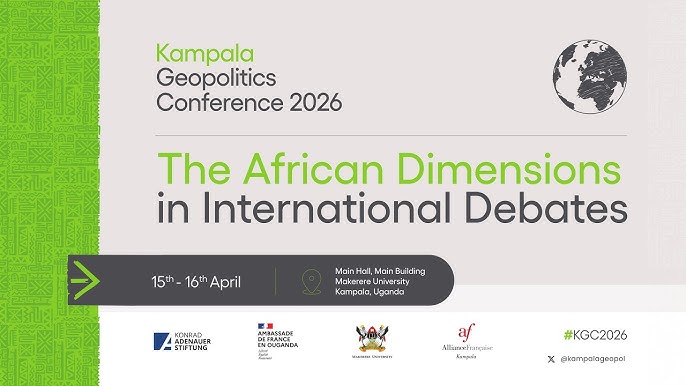
According to policymakers and economists attending the 2026 Geopolitics Conference in Kampala, the continent’s “fiscal space”—the financial capacity of governments to fund essential services—is being constricted by two primary factors: a significant decline in foreign aid and a simultaneous surge in mounting debt burdens.
For decades, Official Development Assistance (ODA) served as a vital lifeline for health, education, and infrastructure projects across Africa. However, the landscape has shifted. While global aid figures have reached record highs in recent years, experts at the conference pointed out that aid specifically destined for Africa is quietly diminishing. Much of the funding is being redirected to support the conflict in Ukraine and to cover the costs of hosting refugees within donor countries.
Dr. Natalie Ferrier noted that once these urgent priorities are subtracted, the actual aid reaching Africa is in decline. This deficit is already being felt on the ground. United Nations Coordinator Leonard Zulu stated that UN agencies faced a funding shortfall of $165 million last year alone. This is not just a statistic; it directly impacts the lives of over two million people who depend on health and refugee services.
As aid dries up, borrowing has become a suffocating constraint. Dr. Asumani Guloba from the National Planning Authority highlighted the current dire situation: countries like Uganda are now forced to allocate nearly one-third of their national budgets solely to servicing existing debt. One participant remarked that if thirty cents of every dollar collected goes to creditors instead of laboratories or libraries, the engine of development grinds to a halt.
This financial crisis is forcing nations to seek alternative domestic revenue sources. With traditional donors scaling back, African leaders are looking toward domestic pension funds, sovereign wealth funds, and diaspora remittances to keep their economies moving.
The atmosphere of the conference was characterized not by despair, but by a drive for transformation and restructuring. Leaders like Marc Trouyet of the French Development Agency (AFD) are calling for a shift toward “mutually beneficial partnerships.” The goal is to move away from the hierarchy of donor and recipient toward a model of shared investment.
However, a major obstacle remains the bankability of projects. While global private capital is searching for investment opportunities, there is a shortage of projects in Africa that are prepared and deemed viable for investment. Experts argue that for Africa to thrive in a post-aid world, it must strengthen its private sector—which generates 80% of jobs but remains largely informal—and create a business environment that views private investors as partners rather than outsiders.