
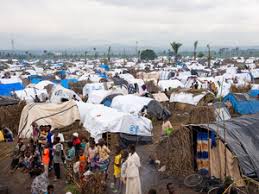
Three years after the eruption of violent conflict between the Sudanese Armed Forces (SAF) and the Rapid Support Forces (RSF) in April 2023, Sudan remains the center of the world’s largest displacement and protection crisis. As of early 2026, the humanitarian situation has reached a breaking point, with over 9 million people internally displaced and another 4.5 million seeking refuge in neighboring countries.
The UN Refugee Agency (UNHCR) issued a stark warning this week, highlighting that the “scale and complexity” of the crisis continue to outpace global humanitarian operations. The influx of refugees into already fragile nations—including Chad, Egypt, South Sudan, Ethiopia, Uganda, the Central African Republic (CAR), and Libya—is putting immense pressure on national systems and host communities.
The demographic data of those fleeing is particularly staggering. Women and children constitute 75 percent of the total Sudanese refugee population. In specific corridors, the numbers are even higher: approximately 86 percent of refugees in Chad and 80 percent in South Sudan are women and children.
These populations are facing a “perfect storm” of protection risks. Beyond the loss of homes and livelihoods, displaced groups face a total breakdown of social services and security. Reports from border crossings, especially in eastern Chad, document “consistent and deeply concerning accounts” of sexual violence and physical assault experienced during flight. UNHCR teams have noted that many women arrive having survived gang rape, sexual slavery, and other forms of conflict-related sexual violence intended to terrorize and humiliate.
Inside the settlements, the crisis is further exacerbated by deteriorating health services and overcrowding. Outbreaks of deadly diseases, including cholera and measles, have been reported in camps hosting both refugees and internally displaced persons (IDPs).
Economic collapse is also driving families toward desperate measures. With limited livelihood opportunities and reduced food assistance, many are forced into “negative coping strategies,” such as child marriage and family separation. In urban settings like Egypt and Libya, Sudanese women and girls—who represent 78 percent of gender-based violence (GBV) survivors seeking support—are often exploited by smuggling and trafficking networks.
Despite the overwhelming need, the international response is facing a massive financial shortfall. In 2025, humanitarian partners received only 14 percent of the funds required to meet urgent GBV needs, leaving a gap of more than $55 million. This underfunding has led to the withdrawal of partners in high-need locations like Ethiopia and South Sudan.
For 2026, 123 humanitarian partners have launched an appeal for $1.6 billion to assist 5.9 million refugees and host community members. This funding is critical to maintaining 78 “Women and Girls Safe Spaces” and supporting local women-led organizations that act as first responders.
“Without immediate and sustained donor investment, these gaps will continue to undermine protection outcomes,” the UNHCR report concludes. The agency is calling for an immediate increase in flexible, long-term funding to ensure survivors have access to clinical care, legal support, and safe shelters.