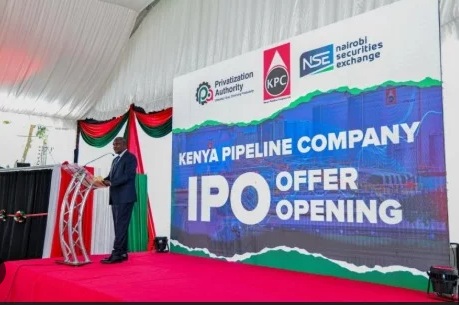
The Kenyan government has successfully opened ownership of the Kenya Pipeline Company (KPC), a cornerstone of the nation’s energy infrastructure, to private investors and the public through a landmark Initial Public Offering (IPO).
National Treasury Cabinet Secretary John Mbadi announced the move as a deliberate strategy to drive economic growth by loosening state control over key institutions and injecting fresh capital into critical infrastructure. The IPO exceeded expectations, achieving a 105.7% subscription rate and raising 112.37 billion Kenyan shillings — surpassing the initial target of 106 billion shillings through the sale of 12.49 billion shares.
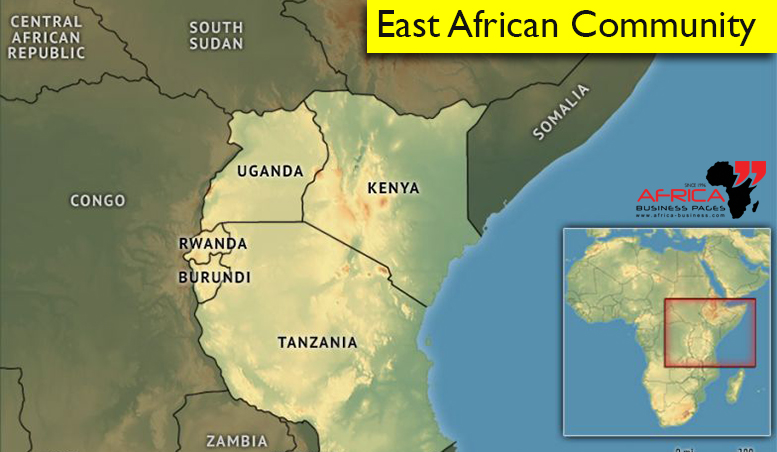
A standout feature of the offering was the participation of neighboring Uganda, whose National Oil Company (UNOC) secured a 20.15% stake, making it the second-largest shareholder after the Kenyan government. This cross-border investment underscores growing regional energy cooperation.
While 465 local institutions, including Kenya’s National Social Security Fund (NSSF), showed strong support, participation from individual retail investors and foreign firms remained subdued. Analysts attributed this to concerns over elevated share prices and the company’s anticipated capital costs for upcoming pipeline expansion projects.
Mbadi emphasized that privatization will enhance KPC’s transparency, operational efficiency and competitiveness in the regional energy market. The proceeds are earmarked to alleviate Kenya’s public debt burden while funding completion of the critical Mombasa-Nairobi fuel pipeline upgrade.
The successful IPO marks a pivotal step in Kenya’s broader economic reform agenda, signaling confidence in the energy sector’s stability and long-term growth prospects despite lingering investor caution around pricing and project financing.