The Sudan Football Association (SFA) is facing intense criticism from fans and sports analysts after missing a historic opportunity to face the world champions, Argentina, due to administrative delays.
Sources have confirmed that the invitation for this friendly match—considered one of the most significant in the country’s football history—came directly from the Argentine Football Association (AFA). Although Sudan’s head coach, Kwesi Appiah, gave immediate technical approval for the match, the association failed to complete the necessary paperwork and logistical arrangements in time, leading to the cancellation of the fixture.
The chance to face Lionel Scaloni’s “Albiceleste,” who are currently preparing to defend their title at the 2026 World Cup, was seen as a major recognition of Sudan’s recent footballing resurgence.
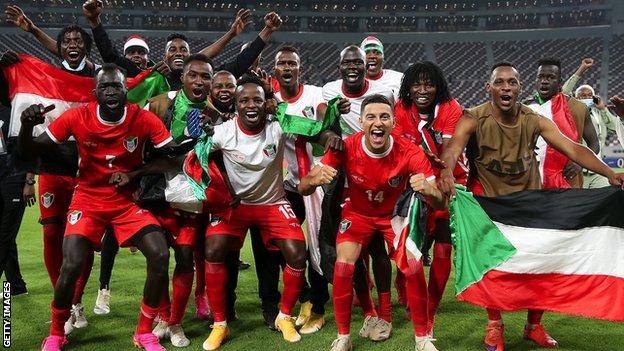
Under the leadership of Ghanaian tactician Kwesi Appiah, the “Falcons of Jediane” are currently leading their World Cup qualifying group and have already secured their place in the Africa Cup of Nations (AFCON).
A senior sports analyst remarked: “Playing against a team of Argentina’s caliber would have been a major historical milestone. The match wasn’t just about the 90 minutes; it was a grand opportunity for Sudan to announce its return to the international stage. Losing this chance due to slow office bureaucracy is truly tragic.”
While Sudan hesitated in making a decision, Argentina moved quickly to finalize its schedule. Reports from Buenos Aires indicate that the world champions have instead reached agreements to play two other African nations—Mauritania on March 27 and Zambia on March 31—at the historic La Bombonera stadium.
The fact that Mauritania and Zambia swiftly seized this “once-in-a-lifetime” opportunity has intensified the protests against the Sudan Football Association. Mauritania, currently ranked 115th in the world, believes this match will put its football program on the global map.
This incident has reignited the debate surrounding the leadership of Sudanese football. Critics argue that while the national team is achieving remarkable results on the pitch—despite playing “home” matches abroad due to the ongoing domestic conflict—the administrative arm remains stuck in a pattern of sluggishness and disorganization.
Coach Appiah recently noted in an interview, “We are working hard to change the players’ mentality.” However, many now fear that the progress made on the field will be hindered by weak administration off the field.