
The Confederation of African Football (CAF) has sparked major discussions across the global sports landscape after president Patrice Motsepe revealed that the organization is actively studying the possibility of bringing the Africa Cup of Nations (AFCON) back to its traditional two-year cycle. This potential U-turn comes just ten months after CAF originally announced plans to transition the premier continental tournament into a four-year cycle.
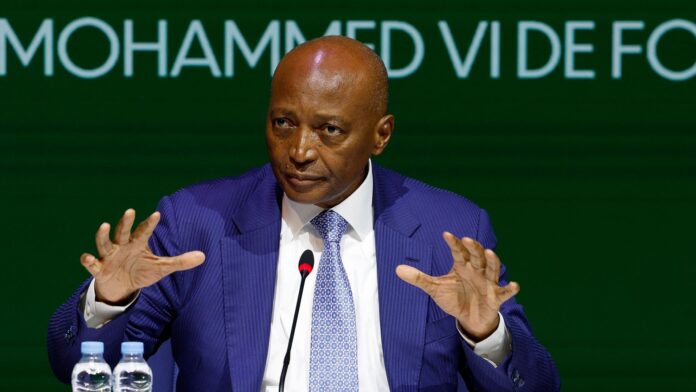
Speaking during a high-profile CAF strategy conference in Cape Verde, Motsepe addressed gathered football officials and media by noting that the governing body is reviewing everything on the table. “We are looking at everything, including bringing the AFCON back to every two years,” Motsepe stated, signaling a dramatic shift in tone from the organization.
Back in December 2025, CAF had announced a sweeping overhaul of the African football calendar. Under that directive, the tournament was slated to move toward a four-year gap following the 2028 edition. The decision was initially tied into broader strategic plans to introduce a lucrative, annual African Nations League format designed to maximize commercial revenue and fill up international windows.
However, the proposal faced intense, near-immediate backlash from fans, pundits, and national team stakeholders alike. Critics argued that lengthening the gap between editions would severely diminish Africa’s visibility on the global international stage, cut critical tournament revenues for participating nations, and rob supporters of their most cherished biennial sporting festival.
Despite the ongoing discussions regarding the long-term future, CAF has reassured stakeholders that near-term plans remain completely unaffected. The upcoming 2027 Africa Cup of Nations—co-hosted by Kenya, Uganda, and Tanzania—is still firmly locked in to take place from June 19 to July 17, 2027, with no changes or relocations planned.
While Motsepe stopped short of declaring an immediate, definitive reversal, his remarks confirm that the four-year framework is no longer viewed as set in stone. A final decision will require extensive deliberation among CAF’s executive committee as they balance international calendar demands, commercial ambitions, and the deep cultural significance of keeping Africa’s biggest football spectacle thriving on a frequent rhythm.

