The United Nations has issued a grave warning regarding the steep global decrease in humanitarian aid funding, which has triggered widespread closures of vital aid programs and health facilities across Somalia. According to announcements from the UN Children’s Fund (UNICEF), these unprecedented financial rollbacks are having immediate, life-threatening consequences for millions of civilians, with Somali children bearing the heaviest burden.
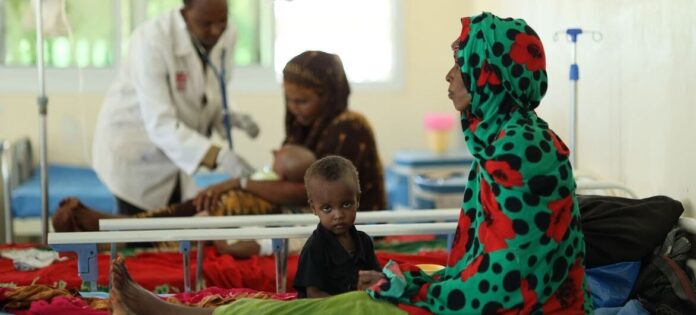
UNICEF spokesperson James Elder highlighted that drastic aid reductions have effectively shut the doors to essential healthcare, clean water, and educational opportunities. Most alarmingly, more than 200 health and nutrition centers have been forced to close down nationwide. This institutional breakdown has directly contributed to a 32 percent surge in Somali children being admitted to stabilization centers suffering from severe acute malnutrition. The UN emphasized that this spike is not necessarily driven by a sudden rise in illness rates, but rather by the systematic loss of preventive and community-based nutrition networks that previously caught and treated at-risk children early.
These compounding financial constraints arrive at a catastrophic juncture for Somalia, where humanitarian pressures are intensifying on multiple fronts. Protracted armed conflict, internal displacement, and severe food insecurity already plague the region. Compounding these man-made challenges are severe climate shocks, including punishing droughts in the country’s northern territories and urgent preparations for extreme flooding triggered by the El Niño weather pattern. These erratic weather conditions severely disrupt local agriculture and restrict food distribution.
Projections indicate that nearly 1.9 million children in Somalia will be affected by malnutrition, with close to half a million expected to suffer from the deadliest, severe acute form. Broader UN findings underscore that Africa continues to record the highest hunger rates globally, driven largely by the intersecting crises of political instability and climate change. Having endured a devastating multi-year drought from 2020 to 2023, Somalia remains deeply vulnerable to extreme weather events.
Alarmingly, these deteriorating humanitarian conditions create a fertile environment for militant groups like Al-Shabaab, which systematically exploit widespread water shortages and desperate living circumstances to consolidate territorial control and assert power over vulnerable local populations.
While the UN maintains that its targeted intervention programs are fully capable of stabilizing the crisis and reversing negative health trends, agency officials stress that success relies entirely on securing adequate and sustained financial backing. Without an immediate reversal of current funding constraints, international humanitarian networks will remain severely handicapped in their response.