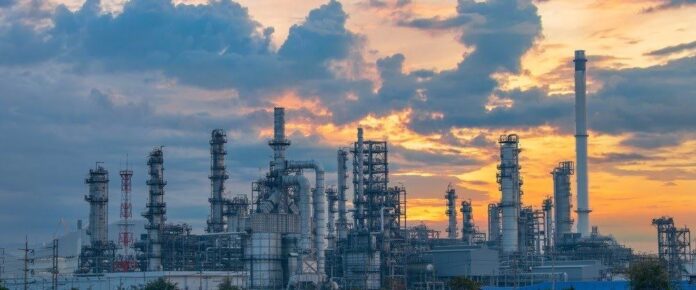
The Nigerian industrial conglomerate Dangote Group, chaired by billionaire Aliko Dangote, has formally invited East African nations to purchase a collective 30 percent equity stake in a proposed $17 billion mega oil refinery on Kenya’s Lamu Island. Designed to process up to 700,000 barrels of crude oil per day (bpd), the massive infrastructural investment aims to establish energy self-sufficiency across the region while curbing its long-standing dependence on costly foreign fuel imports.
The specifics of the public-private partnership were unveiled during an economic summit in Nairobi by David Ndii, Chair of the Council of Economic Advisers to Kenyan President William Ruto. Ndii confirmed that regional partner states have been offered direct equity participation, with host nation Kenya positioned to acquire a 10 percent share valued at approximately $500 million.
“The total equity contribution for the regional syndicate is targeted at roughly $1.5 billion,” Ndii explained, addressing investors and public officials. He noted that neighboring partner nations have shown interest in joining the ownership model. To provide financial certainty for the $17 billion initiative, Ndii emphasized that if any invited regional partners decline or fail to fully take up their allotted shares, the Kenyan government stands ready to backstop the remaining equity balance to keep the project moving forward.
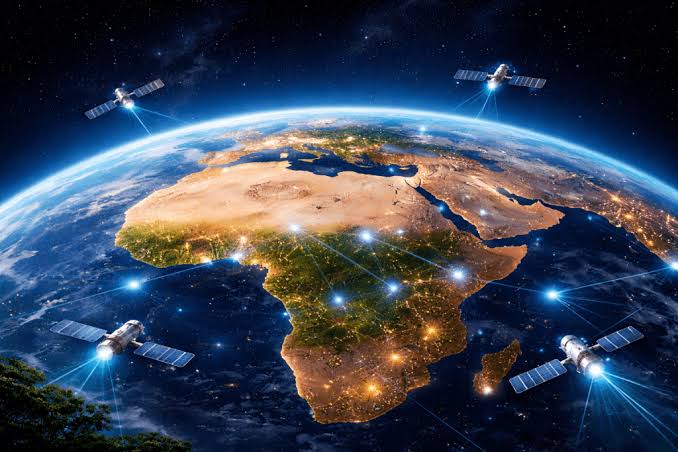
The proposed facility is strategically sized to serve as a central energy hub for East and Central Africa, supplying refined petroleum products to Kenya, Uganda, South Sudan, Rwanda, Burundi, and the Democratic Republic of the Congo (DRC). With a target processing capacity of 700,000 bpd, the refinery will easily surpass East Africa’s current combined consumption demand, which sits at approximately 450,000 bpd. The resulting daily surplus of 250,000 barrels will be allocated for export to broader continental markets and global trade routes, transforming the bloc from a net importer to a key regional energy exporter.
Lamu Island was selected primarily for its distinct maritime logistics advantages over existing regional facilities. Lamu’s natural deep-water harbor boasts draft depths of up to 18 meters, allowing it to accommodate fully laden Post-Panamax crude carriers holding up to 2 million barrels of oil. Older ports, such as Mombasa on Kenya’s southeastern coast, lack the depth required for such large tankers, making Lamu the ideal site for large-scale international crude transfers.
This ambitious endeavor directly mirrors Dangote Group’s flagship 650,000 bpd refinery in Lekki, Nigeria, which has already disrupted traditional transatlantic trade routes. Furthermore, Dangote’s recent expansion efforts in Nigeria aim to add another 700,000 bpd of capacity, positioning the firm as a dominant force in global fuel markets.
East Africa has lacked operational domestic refining capacity since the 2013 closure of Kenya Petroleum Refineries Limited in Mombasa. The absence of local refining infrastructure has exposed regional economies to volatile shipping rates, supply chain disruptions, and foreign exchange depletion. If successfully executed, the Lamu mega-refinery could mitigate these macroeconomic pressures, though realization hinges on sovereign financing, environmental clearances, and securing crude supply agreements.