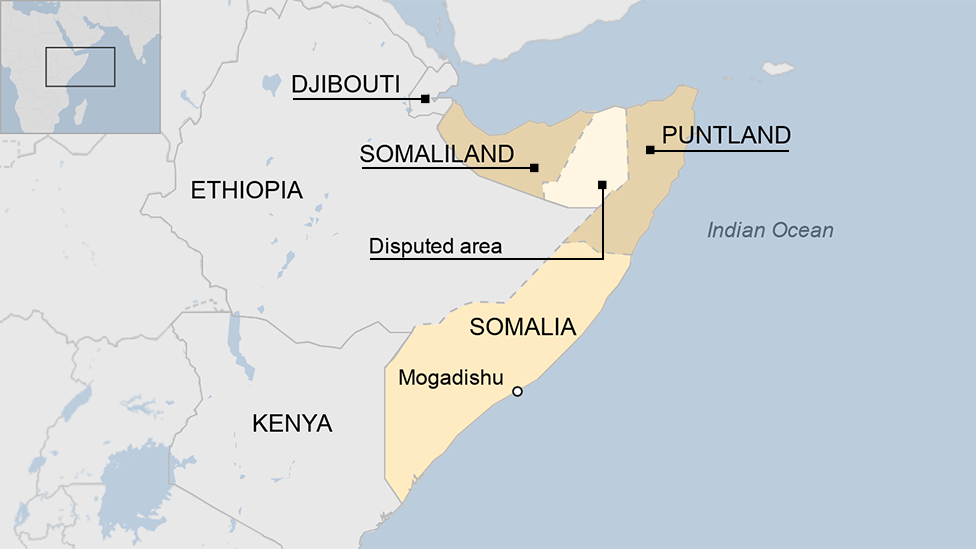
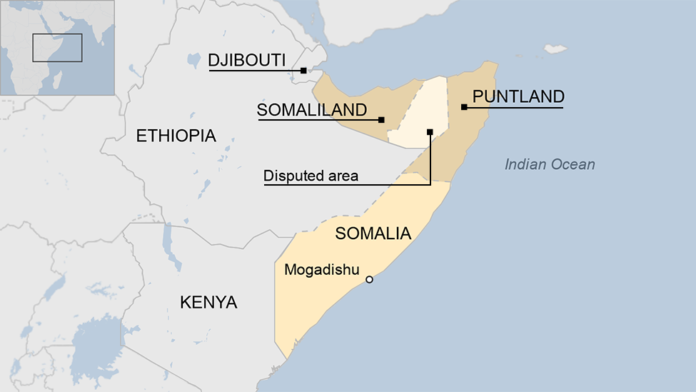
In a move that could redefine the geopolitical landscape of the Horn of Africa, U.S. lawmakers have introduced a historic legislative draft aimed at ending the decades-long financial isolation of self-governed Somaliland.
Titled the “Somaliland Strategic Regional Partnership Act,” the bill seeks to integrate the territory into the global financial system by establishing a clear roadmap that would grant its six million citizens access to international banking infrastructure.
For the past 30 years, Somaliland has operated as a nation with its own currency, democratic elections, and relative stability.
However, due to a lack of formal international recognition, it has remained financially blocked, unable to utilize the SWIFT network or attract large-scale foreign direct investment.
This new legislative draft represents a significant departure from Washington’s long-standing “One Somalia” policy, prioritizing “pragmatic engagement” over continued isolation.
The draft legislation sets a 180-day deadline for the U.S. Treasury to develop a strategy that enables responsible American investment.
Its core provisions include opening pathways for Somaliland to join international financial messaging systems (SWIFT), strengthening partnerships for Anti-Money Laundering (AML) and Counter-Terrorism Financing (CTF) to ensure secure financial ties, and recognizing the Port of Berbera as a vital alternative gateway for global trade amidst the escalating Red Sea crisis.
As international competition for influence in East Africa intensifies, Somaliland has emerged as a preferred partner due to its strategic coastline and the recent discovery of critical minerals, such as lithium.
One of the bill’s sponsors noted during the session: “Engagement, not isolation, is the path forward. By bringing Somaliland into the global financial framework, we are not only supporting a stable democracy but also securing a vital trade artery for the entire world.”
Although the bill faces a complex legislative journey through the U.S. House of Representatives and the Senate—and will likely encounter opposition from the Federal Government of Somalia in Mogadishu—its supporters argue that the current status quo is unsustainable. If passed, this law would mark the most significant milestone in U.S.-Somaliland relations since 1991.