The World Health Organization (WHO) announced that 37% of health facilities across Sudan remain entirely non-functional as a devastating internal conflict continues to cripple the nation’s medical infrastructure. The grim assessment was revealed during a press briefing in Geneva by Altaf Musani, director of the WHO’s Health Emergencies Interventions Department. Musani addressed the broader global toll of violence on medical systems across 29 countries and territories, highlighting a disturbing pattern of hostility directed against hospitals, medical personnel, and patients.
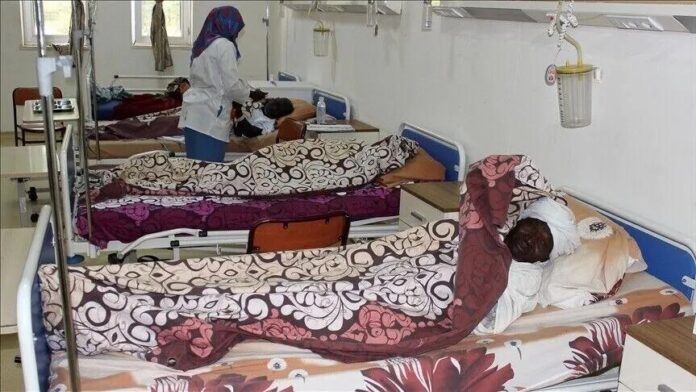
According to WHO data tracking the period from January to August, over 900 attacks on health care were recorded globally in active conflict zones, resulting in at least 900 deaths and upwards of 1,400 injuries. This translates to an alarming average of more than four attacks every single day. In Sudan specifically, the destruction has devastated all 18 states. Facilities, ambulances, patients, and healthcare professionals have faced recurring assaults, leaving hospitals either completely closed or only partially operating due to physical ruin and a severe lack of medical equipment.
The WHO emphasized that the crisis must be measured by more than just raw numbers, urging the international community to look closely at the profound human consequences. Disrupted services, delayed surgeries, neglected treatments, and patients entirely denied medical care are the daily realities defining the healthcare collapse. Musani stressed that utilizing this evidence is vital to protect vulnerable populations, safeguard medical infrastructure, and ultimately drive accountability for parties engaged in violations of international humanitarian law.
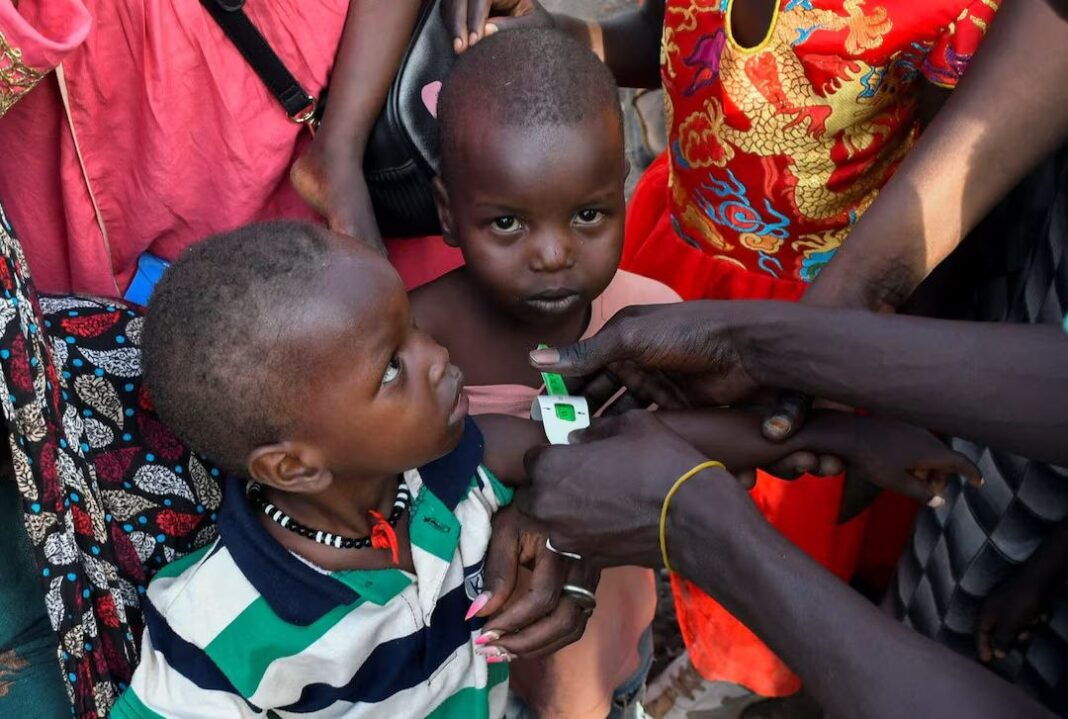
This healthcare emergency unfolds against the backdrop of what the WHO has previously classified as the world’s largest humanitarian crisis. Following years of relentless warfare, roughly 34 million people in Sudan are in urgent need of humanitarian assistance, while 21 million lack access to basic health services. The situation has grown increasingly dire with intense, escalating fighting concentrated in regions such as Kordofan, Darfur, and Blue Nile state.
Sudan has been locked in a destructive war between the national army and the Rapid Support Forces (RSF) since April 2023, sparked by disagreements over the integration of the paramilitary group into the military. The protracted conflict has killed tens of thousands of people, forced millions from their homes, and triggered a massive regional displacement crisis. As hostilities persist, the systematic degradation of medical access leaves millions of civilians stranded without lifesaving care, compounding an already catastrophic humanitarian emergency.