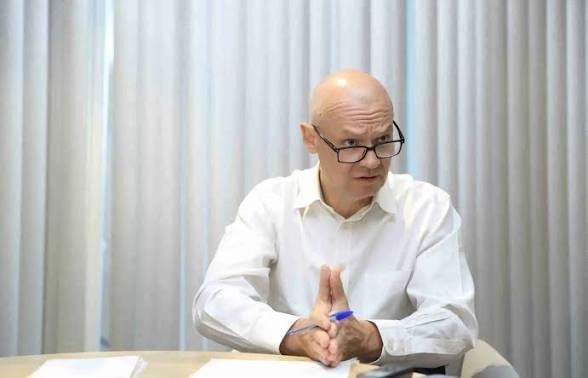
The International Monetary Fund (IMF) has officially appointed Kyungsuk Lee as its new Resident Representative in Ethiopia. Lee succeeded Tobias Rasmussen on August 10, marking a routine rotation of leadership just as the nation’s ambitious economic reform agenda enters a crucial stage.
Lee’s arrival brings specialized expertise to one of the most stubborn structural hurdles facing Ethiopia’s monetary transformation: the persistent premium between official and black-market foreign exchange rates. In July 2025, Lee co-authored an IMF Selected Issues paper alongside Bryan Gurhy and Sandhya Rajyam Garimella.
The study analyzed why the gap between official and parallel rates remained wide despite major policy shifts. It pinpointed three primary structural bottlenecks: Remaining current-account restrictions, A tightly controlled capital and financial account,An underdeveloped financial sector lacking sufficient hedging instruments
Furthermore, the research highlighted that Ethiopia regulates roughly 70 to 80 percent of total capital account transactions—vastly higher than peer nations like Egypt or Nigeria, which restrict only 10 to 20 percent. Compounding this, the state-owned Commercial Bank of Ethiopia controls about half of total banking assets, which constrains broader foreign exchange mobilization.
Outgoing representative Tobias Rasmussen oversaw several milestone adjustments, most notably when the National Bank of Ethiopia transitioned to a market-based foreign-exchange regime in July 2024. This shift formed the core of a four-year, approximately $3.4 billion Extended Credit Facility (ECF) arrangement backed by the IMF.
Throughout his tenure, Rasmussen guided the program through external economic pressures, including regional disruptions from the Middle East conflict that spiked fuel import expenses. Just prior to his departure, the IMF completed its fifth ECF review, greenlighting a $464 million disbursement after confirming that Ethiopia met its quantitative performance criteria amid rising reserves and stronger export performance.
Lee assumes office as the IMF presses for continued structural maturation. Although Ethiopia has registered impressive macro gains—including real GDP growth projected at 9.2 percent and a drop in inflation down to 11.7 percent for 2025/26—critical vulnerabilities persist. Importers still lean heavily on the parallel market to hedge against currency depreciation risks due to a lack of formal financial hedging tools.
While authorities have cracked down on illicit currency traders using aggressive enforcement tools, analysts note that true market freedom remains constrained by administrative controls. Moving forward, Lee will assist the IMF in steering Ethiopia through these structural adjustments, prioritizing domestic revenue mobilization, completing debt restructuring, and safeguarding private sector-led growth.