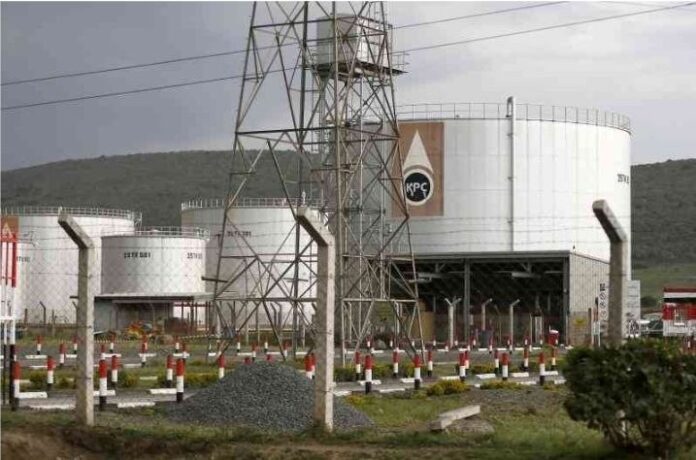
Uganda has acquired extensive veto power and direct board representation within the Kenya Pipeline Company (KPC). This strategic realignment follows Uganda’s acquisition of a 20.15% equity stake through the Uganda National Oil Company (UNOC). The transaction was facilitated by an initial public offering (IPO) on the Nairobi Securities Exchange (NSE), wherein the Kenyan government divested 65% of the firm’s shares to institutional and strategic investors, reducing its direct majority ownership to 35%.
Under the newly established governance framework, President Yoweri Museveni’s administration has secured institutional leverage over critical regional energy infrastructure. Most notably, Kampala holds formal veto authority regarding the appointment and removal of KPC’s chief executive officer. As the corporation navigates ongoing executive transitions, any candidate slated to lead the vital network must secure explicit clearance from Ugandan authorities.
Beyond executive leadership, Uganda’s oversight extends to foundational corporate governance. Kampala has attained veto rights over critical operational parameters, including pipeline tariff adjustments impacting regional fuel transport costs, corporate restructuring initiatives and long-term strategic expansions, modifications to share capital and equity dilutions, and dividend policy adjustments affecting shareholder returns.
To operationalize this oversight, two senior officials—Dr. Ramathan Ggoobi, Permanent Secretary to the Treasury and Secretary to the Treasury, and Irene Bateebe, Permanent Secretary for Energy—officially assumed seats on the KPC board.
For landlocked Uganda, the KPC network serves as an irreplaceable economic artery. The nation imports approximately 90% to 95% of its daily refined petroleum requirements—encompassing diesel, petrol, jet fuel, and kerosene—originating from the coastal port of Mombasa and traversing Kenya’s interior pipeline architecture.
Proponents within the Ugandan government view the transaction as an essential safeguard for national energy security. Historically reliant on traditional bilateral agreements while KPC remained entirely state-owned, the introduction of partial privatization and commercial shareholders introduced potential vulnerabilities regarding fuel accessibility and transit pricing.
Securing a substantial equity position alongside protective governance clauses ensures that transport tariffs remain predictable and shielded from arbitrary commercial fluctuations.
Conversely, the agreement has triggered substantial domestic debate within Kenya. Local political figures and macroeconomic analysts have raised concerns regarding the long-term implications of yielding direct foreign sovereign influence over domestic infrastructure. Critics argue that granting an external government veto authority over executive leadership and pricing structures compromises Kenya’s national energy sovereignty.