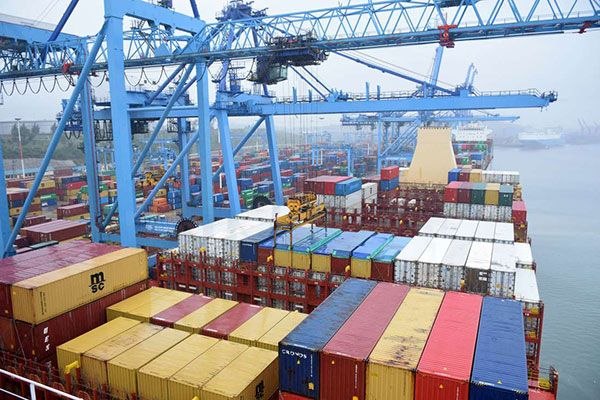
South Sudan and Tanzania have reached a significant milestone in their regional trade partnership, officially signing a Memorandum of Understanding (MoU) to strengthen customs cooperation and streamline cargo movement through the Port of Dar es Salaam. This agreement, finalized between the South Sudan Revenue Authority (SSRA) and the Tanzania Revenue Authority (TRA), marks a pivotal step toward reducing logistics costs and diversifying trade routes for the landlocked nation of South Sudan.
The MoU serves as the formal framework for the collaboration, fulfilling a key commitment established during high-level bilateral talks earlier this year in January. By integrating customs operations and enhancing information sharing, the two countries aim to create a more efficient “Dar es Salaam–South Sudan Trade Corridor.”
This route is expected to become a vital artery for South Sudan’s imports, offering a strategic alternative to existing supply chains and helping to mitigate the challenges of congestion and rising transit costs.
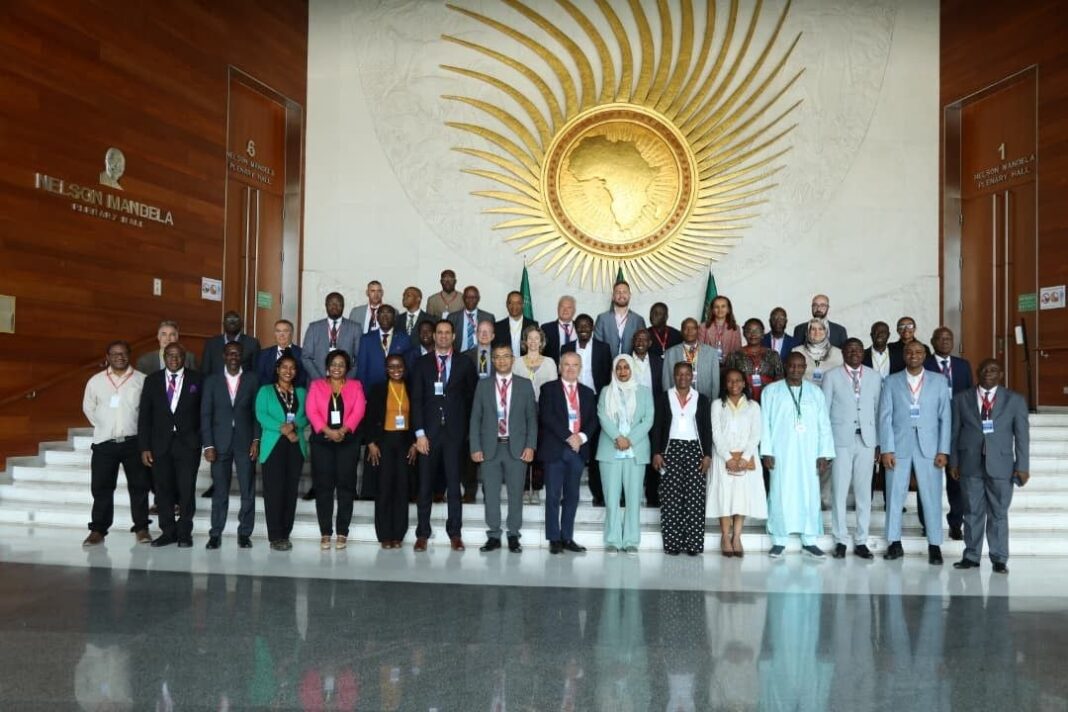
During the signing ceremony, SSRA Commissioner General Moun Deng Ajuet emphasized the importance of the pact, describing it as a “practical roadmap” for expanding trade.
He highlighted that the agreement would ensure greater freedom of movement for goods, preventing traders from being overburdened by restrictive procedures. Key elements of the deal include the digitization of customs processes, the implementation of the East African Community (EAC) Single Customs Territory protocols, and robust staff training programs to modernize customs administration.
Tanzania’s commitment to the project extends beyond policy alignment; the country is actively facilitating the physical infrastructure required to support South Sudan’s operations. TRA Commissioner General Yusuph Juma confirmed that authorities are working to allocate a dedicated plot at the port to the SSRA.
This will enable South Sudan to establish a permanent customs office, ensuring that cargo destined for the country can be cleared and tracked with precision. Addressing logistics concerns, Commissioner Juma assured stakeholders that all necessary permits and site requirements would be finalized before the end of October 2026.
For South Sudan, the shift toward Tanzanian ports represents a broader strategy to enhance supply chain resilience and lower the prices of essential imports, including food, construction materials, and humanitarian supplies. For Tanzania, the partnership reinforces its status as a premier regional logistics hub, capable of serving diverse landlocked markets across East and Central Africa.