Kenya has selected a consortium led by U.S. rare earths startup ReElement Technologies to develop the Mrima Hill critical minerals deposit, handing Washington a strategically important asset in its push to secure supplies of minerals used in defence and electronics.
The Frontier Minerals consortium, which also includes Indiana-based American Resources Corporation and U.S. miner Bunker Hill, beat rival bidders backed by U.S. and Australian interests. Both losing parties have indicated they will challenge the decision.
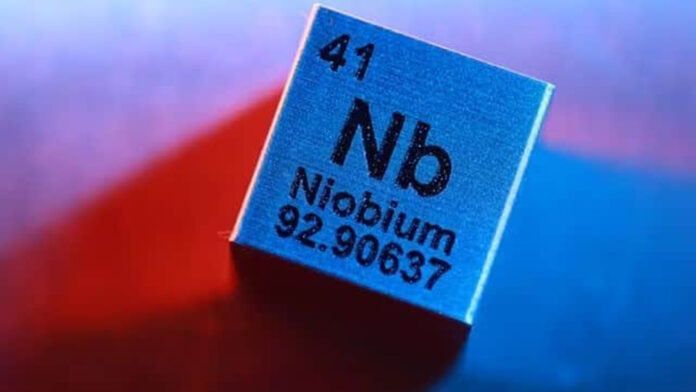
U.S. officials have identified Mrima Hill, located in southeastern Kenya, as a key target in President Donald Trump’s drive to increase American access to critical minerals, the processing of which is currently dominated by China. Kenya’s mining ministry says preliminary assessments suggest the site contains tens of billions of dollars’ worth of rare earth minerals, as well as niobium, a metal used in aerospace manufacturing.
The ministry announced on Thursday that it had selected Frontier following a competitive tender process that began earlier this year. Seven bidders were shortlisted in July, though the two Chinese companies among them later withdrew without giving reasons. The final round pitted Frontier against Mrima Earth Limited—a consortium including New York-based Critical Metals Corp and European Lithium—and a group led by Australia’s RareX.
The winning consortium must now engage with local communities and obtain prospecting licences before development can begin. The project could face local opposition because Mrima Hill lies in a forest area considered sacred by surrounding communities. Frontier said it would prioritise environmental management and community engagement alongside its development plans.
“We intend to create lasting opportunities for Kenyan workers, businesses and the wider economy through capacity-building and targeted investment, while prioritising environmental management and performance,” said Brad Barnett, Frontier’s managing member.
The consortium has committed to developing processing and refinement capacity within Kenya, aligning with the government’s broader push to add value to mineral exports domestically rather than shipping raw materials abroad. President William Ruto told Reuters in June that his government was close to signing a critical minerals deal with the U.S. under which Nairobi would process its resources locally.
However, the award is not without controversy. Jess Singh, an official with Mrima Earth Limited, said his consortium would challenge the ministry’s decision before Kenya’s Public Procurement Regulatory Authority, though he declined to provide further details. RareX said it intended to file a challenge before December 10, claiming Frontier missed an earlier deadline to submit its expression of interest. Frontier did not immediately respond to requests for comment, while mining minister Hassan Ali Joho said he would respond to RareX’s statement later. The ministry insisted it conducted an open and transparent process.
ReElement aims to use a novel processing technology to refine rare earths and other critical minerals. Reuters reported in July that the company had stopped seeking an $80 million loan from the U.S. Department of Defense after struggling to satisfy due-diligence requirements, though it was later awarded a $25 million Pentagon grant to buy equipment for its Indiana processing site.
The selection of a U.S.-linked consortium reflects Washington’s broader strategy to weaken China’s dominance of the critical minerals sector. According to the International Energy Agency, China refines between 47% and 87% of copper, lithium, cobalt, graphite and rare earths. Despite billions of dollars in federal investment by the Trump administration, U.S. manufacturers remain dependent on Chinese materials used in semiconductors, robotics, weapons systems and artificial intelligence.
In a separate announcement, Kenya’s mining ministry said a venture between Fangda Special Steel Technology and Sinohydro Corporation had won two other tenders to develop chromite and copper projects in the country, underscoring the continued presence of Chinese investment in Kenya’s mining sector alongside the U.S. victory at Mrima Hill.