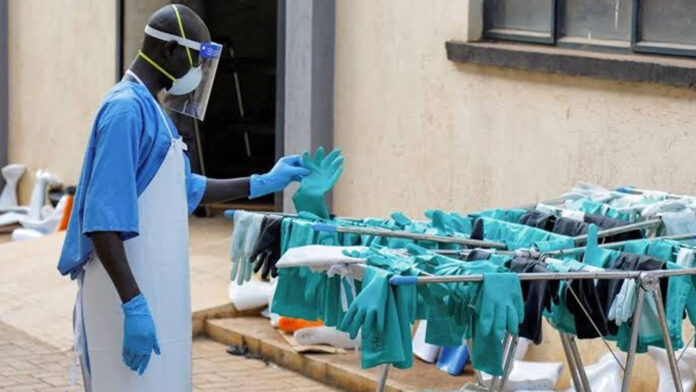
Uganda’s Ministry of Health has maintained enhanced surveillance at border points and strengthened laboratory capacity, emergency response systems and cross-border cooperation as the Ebola epidemic in the neighbouring Democratic Republic of Congo (DRC) continues to spread and has become the country’s deadliest on record.
According to figures reported by DRC authorities, the country had recorded 11,042 confirmed Ebola cases and 5,387 deaths by November 10. The outbreak has affected eight provinces, making it the deadliest Ebola epidemic in the country’s history.
The outbreak is caused by the Bundibugyo strain of the Ebola virus, for which there is currently no approved vaccine or specific treatment. Containment efforts have been complicated by insecurity, weaknesses in the healthcare system, delayed detection of infections and difficulties accessing affected communities. Health workers have also faced challenges associated with community mistrust and misinformation.
The outbreak has spread beyond the DRC, with infections reported in other African countries, including Uganda, Kenya and Nigeria, underscoring the regional risks posed by continued transmission. Uganda has nonetheless successfully contained the outbreak within its borders, though authorities remain on alert.
In a related development, the United Arab Emirates (UAE) has maintained precautionary restrictions on nationals of the DRC and South Sudan, citing continued monitoring of the epidemiological situation in the two countries. Holders of diplomatic and special passports issued by the Ugandan government will, however, be permitted entry under the health procedures applicable to exempted categories.
Humanitarian and medical cases will continue to be considered individually. Travellers seeking medical treatment in the UAE must provide approved medical reports detailing their diagnosis, the healthcare facility where they will receive treatment and the scheduled commencement date.
The UAE’s National Emergency Crisis and Disasters Management Authority (NCEMA), the Ministry of Health and Prevention (MoHAP) and the Federal Authority for Identity, Citizenship, Customs and Ports Security (ICP) said they would continue assessing developments and adjusting entry requirements in line with emerging health risks and public health considerations.
In Uganda, the Ministry of Health has maintained enhanced surveillance, particularly at border points, while strengthening laboratory capacity, emergency response systems and cross-border cooperation to prevent reintroduction of the virus. The measures build on the country’s previous experience in containing Ebola outbreaks and its participation in regional preparedness efforts.
Health experts say the Bundibugyo strain’s lack of an approved vaccine or specific treatment makes early detection and rapid isolation of cases critical, and they stress that cross-border coordination among affected countries will remain essential to curbing transmission.
Ugandan authorities have urged the public to remain vigilant and to report suspected cases promptly, while continuing to collaborate with regional and international partners to monitor the evolving situation in the DRC and neighbouring countries.