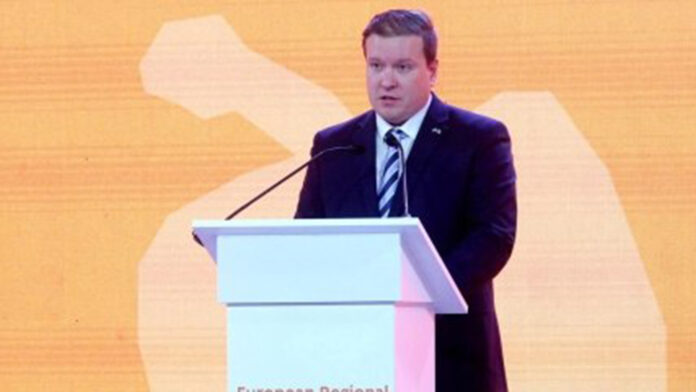
Finland has suspended several humanitarian aid projects in Somalia, valued at approximately four million euros, after accusing the Horn of Africa nation of failing to cooperate sufficiently on migrant returns. The decision, announced on Tuesday by Finland’s Minister for Development Cooperation and Foreign Trade, Ville Tavio, has drawn sharp criticism from humanitarian organizations and prompted a notable distance from Prime Minister Petteri Orpo.
“I have not granted funding to the projects, but I take this cost-saving measure. Development cooperation with Somalia has been suspended because the country has not provided sufficient cooperation regarding returns,” Tavio, a leader of the far-right Finns Party, which forms part of the current governing coalition, wrote on social media.
The move marks an escalation of a policy first signaled in November 2024, when Finland’s Ministry of Foreign Affairs announced the interruption of its development cooperation program with Somalia due to limitedcollaboration on migration-related matters. Until this latest announcement, however, the suspension had not extended to humanitarian aid, non-governmental organizations, or private-sector support—a distinction that critics say has now been erased.
Fingo, the umbrella platform representing Finnish humanitarian NGOs, has voiced deep concern over the government’s shift. The organization emphasized that “NGOs are not responsible for countries’ policies regarding cooperation for return,” arguing that humanitarian assistance should not be contingent on bilateral repatriation agreements.
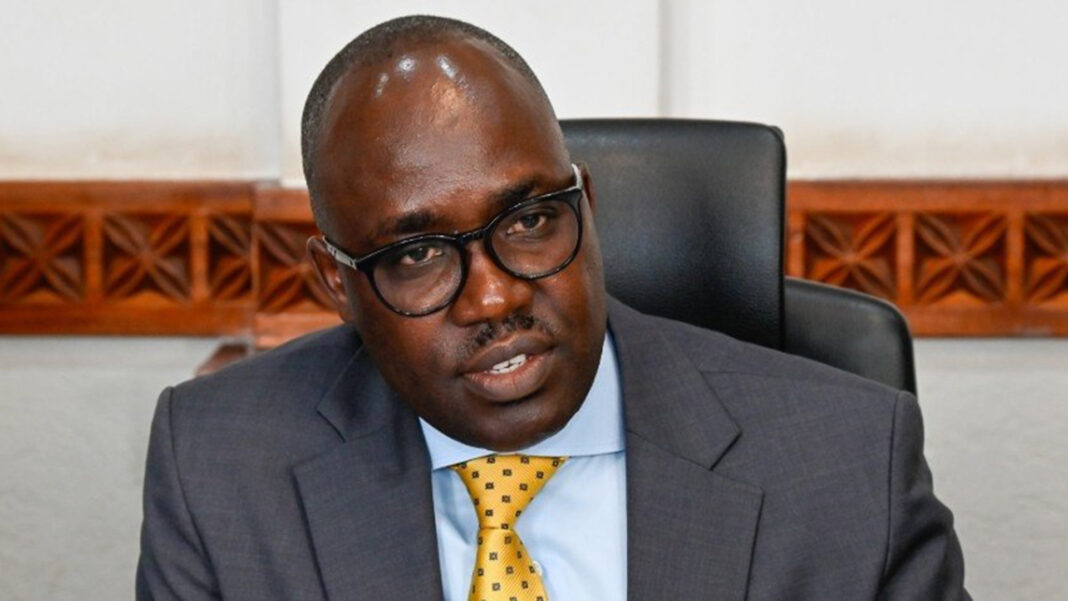
Abdulghani Duale, vice president of the Finnish Somalia Network, questioned the rationale behind the suspension. “I cannot understand why women, children and patients with mental health problems who suffer from the lack of health services and adequate nutrition have to bear the consequences of disputes over repatriation agreements between states,” he said.
The blocked initiatives reportedly include health and nutrition programs that serve some of Somalia’s most vulnerable populations, raising fears that the funding freeze could deepen an already fragile humanitarian situation in a country long affected by conflict, drought, and displacement.
Prime Minister Keeps His Distance
Prime Minister Petteri Orpo sought to distance himself from the decision, writing on social media that “his decision to reject the aid falls within the minister’s competences.” The remark underscores apparent internal tensions within Finland’s coalition government over the handling of development and migration policy.
Tavio, who represents the nationalist Finns Party, has taken a hard line on linking development cooperation to migration control—a stance that aligns with the party’s broader platform but has unsettled more moderate coalition partners and humanitarian advocates.
Finland’s decision reflects a growing trend among some European governments to tie development assistance to migration management and readmission agreements. Critics argue that such conditionality risks politicizing humanitarian aid and penalizing civilians for the actions of their governments.
The Finnish Ministry of Foreign Affairs has not indicated how long the suspension will remain in place, nor what specific benchmarks Somalia would need to meet for funding to resume. For now, the approximately four million euros earmarked for the blocked projects remain frozen, leaving partner organizations and aid recipients uncertain about the future of essential services.