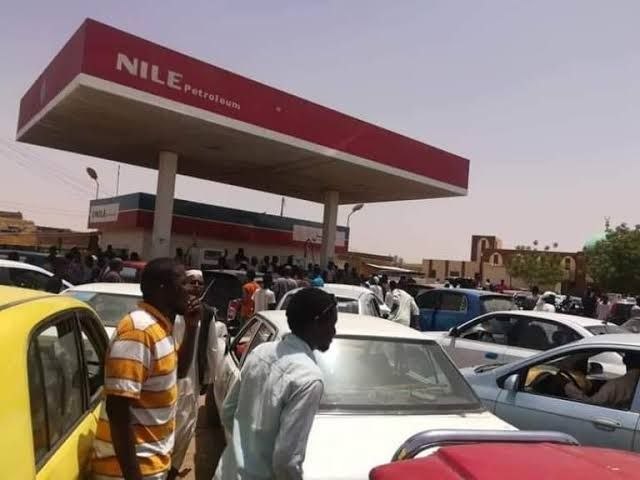
Several Sudanese states have announced notable reductions in the prices of petroleum products and cooking gas, bringing a welcome measure of financial relief to consumers across the country. The price cuts come as the Central Bank of Sudan steps in directly to supply much-needed foreign currency for essential fuel imports, helping stabilize a critical sector plagued by long-running shortages.
Sudan has grappled with severe and recurring energy crises, a situation heavily exacerbated by widespread war damage inflicted on vital domestic oil infrastructure. Most notably, the shutdown of the primary al-Jaili refinery—which historically supplied roughly 70 percent of local consumption—left the nation deeply vulnerable to shifting import costs and supply chain disruptions.
In response to the shifting economic measures, Khartoum State Governor Ahmed Osman Hamza approved a significant price reduction. The cost of a standard 12.5-kilogram cooking gas cylinder was slashed to 85,000 Sudanese pounds, dropping from its previous high of 106,400 pounds. Additionally, commercial gas designated for bakeries was lowered to 3,742 pounds per liter, while diesel prices experienced a slight downward adjustment to 8,518 pounds per liter.
Similar price relief was declared across multiple other regions. In the Red Sea state, authorities successfully reduced the retail price of a cooking gas cylinder to a range of 70,000 to 75,000 pounds, down sharply from 105,000 pounds. Meanwhile, the River Nile state lowered its cooking gas cylinder price to 80,000 pounds from 104,000 pounds, alongside a 750-pound reduction on diesel.
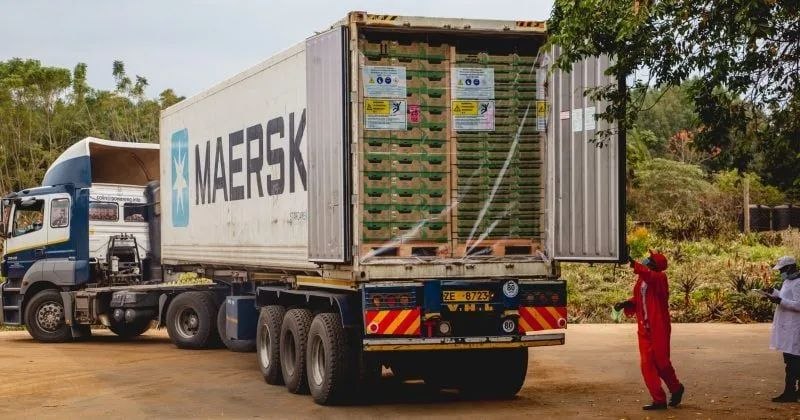
Explaining the mechanics behind the relief, River Nile State Economic Affairs Director Abubakar told the official SUNA news agency that the declines are the direct result of recent, strategic import policies. Chief among these is the Bank of Sudan stepping in to supply foreign exchange directly to both public and private importing companies.
Previously, importing firms were forced to acquire foreign currency on the volatile parallel market, a practice that heavily inflated import costs and trickled down to consumers. However, recent central bank backing, combined with favorable lower global gas prices, enabled energy ministry officials to accurately recalculate operational costs and significantly lower prices for end-users.
This latest development builds upon structural interventions initiated earlier. In June, the Sudanese government moved to directly manage petroleum imports to curb rapid currency depreciation and stop private firms from driving up black-market foreign exchange demand. As part of these stringent measures to regulate trade and protect reserves, the central bank also required fuel importers to deposit 200 kilograms of 21-karat gold to secure import permits.
These concerted monetary and administrative steps are part of a broader strategy to restore order to Sudan’s war-affected economy, ensuring essential goods remain accessible to citizens enduring prolonged hardships.