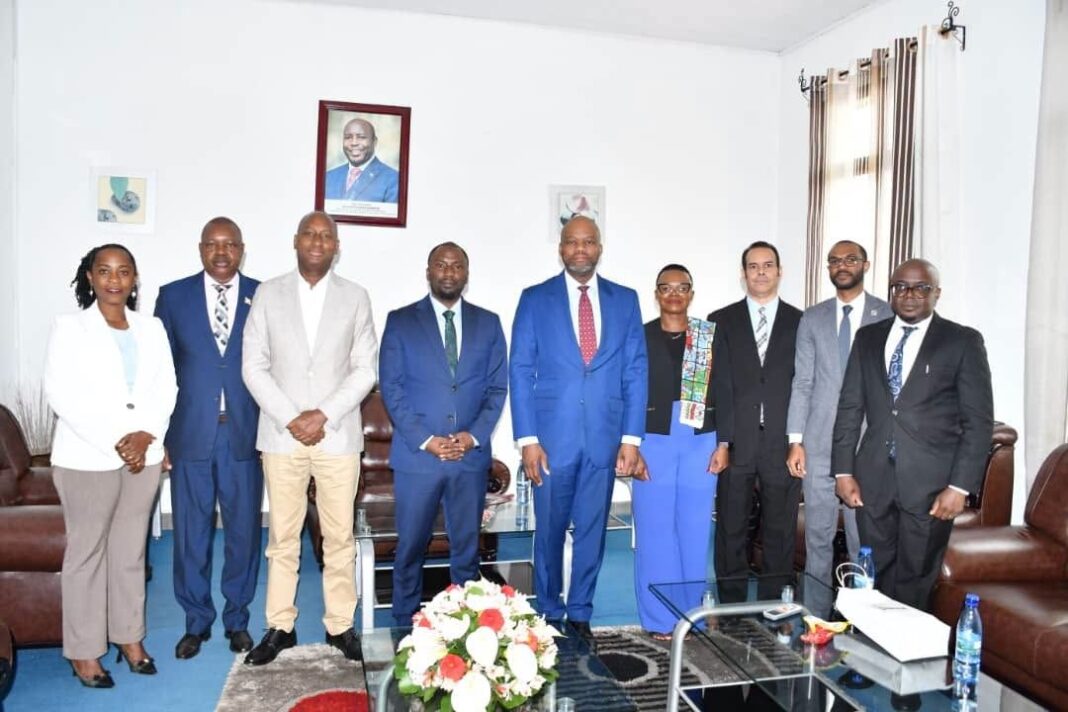
The African Continental Free Trade Area (AfCFTA) Secretariat is ramping up its diplomatic and strategic outreach to bring Burundi deeper into the continent’s unified single market. AfCFTA Secretary-General Wamkele Mene recently launched a high-level mission to Bujumbura, holding critical discussions with Burundi’s minister of commerce and industry, top customs and tax officials, and key leaders from the Burundian Chamber of Commerce and Industry.
This high-profile visit underscores the essential collaboration required between governments and private enterprises to translate the ambitious continental trade pact from a policy document into daily economic reality. Participating officials emphasized that a trade agreement only becomes truly functional when policymakers, border enforcement agencies, and the business community work hand in hand.
The mission arrives at a pivotal moment for intra-African commerce. Recent economic data reveals that trade between African nations rose by 12.4% to reach $220 billion. However, despite this positive momentum, the continent continues to grapple with persistent structural hurdles. Secretary-General Mene pointed directly to the high cost of cross-border trade, inadequate physical connectivity, and widespread infrastructure shortages as the primary obstacles preventing African economies from fully capitalizing on the agreement’s vast potential.
To combat these challenges, the AfCFTA Secretariat highlighted two transformative initiatives designed to lower transaction costs and cushion economies during the transition period:
PAPSS: The Pan-African Payment and Settlement System enables businesses across the continent to settle cross-border transactions directly in their local currencies, eliminating the traditional need to rely on third-party currencies like the US dollar or the euro. By bypassing foreign-exchange intermediaries, PAPSS significantly reduces currency conversion costs and eliminates chronic payment delays.
The AfCFTA Adjustment Fund: This fund is specifically engineered to help national governments and private sector businesses manage the short-term transition costs associated with market liberalization. It provides critical financial support for industrial modernization, capacity building, and targeted measures to ensure local companies maintain their competitive edge. Secretary-General Mene strongly urged Burundian authorities to identify their key financing priorities and promptly submit proposals to unlock resources from the fund.
As a member of both the Common Market for Eastern and Southern Africa (COMESA) and the East African Community (EAC), Burundi is already well-versed in regional integration frameworks. Officials noted that the country can leverage this extensive experience to fast-track its participation in the broader continental market.
During the talks, Burundi’s commerce minister reaffirmed the nation’s steadfast commitment to fully implementing the free-trade agreement. The minister announced that Burundi intends to strategically leverage its upcoming presidency of the African Union to accelerate the adoption and operationalization of continental trade reforms.
Furthermore, the Burundian government outlined several priority sectors for development and investment, including logistics, transportation, energy, and mining. Special emphasis was also placed on diversifying export markets for traditional agricultural staples like tea and coffee by harmonizing regional standards and streamlining trade procedures.