The landscape of Sudan’s three-year civil war remains volatile as recently leaked diplomatic documents have brought to light significant disagreements between the United States and the Sudanese government regarding a proposed humanitarian truce. While the international community seeks an immediate pathway to de-escalation, the fundamental divide over the future of the Rapid Support Forces (RSF) continues to cast doubt on the viability of current peace initiatives.
The US-led proposal, which emerged late last month, outlines a strategic framework for a 90-day humanitarian truce. The initiative aims to facilitate the urgent delivery of aid, bolster civilian protection, and establish a foundation for a permanent ceasefire. Beyond immediate security measures, the American plan envisions a transition toward a civilian-led political process, ultimately culminating in national elections.
However, the path to implementation remains fraught with obstacles. While the Sudanese government—led by the army under General Abdel Fattah al-Burhan—has expressed conditional interest in the general principles of the roadmap, it has balked at key security provisions.
The primary point of contention centers on the status of the RSF. The US proposal calls for limited, phased military withdrawals, prioritizing conflict-stricken regions such as North Darfur and North Kordofan. In contrast, the Sudanese government’s response, dated June 25, mandates a comprehensive withdrawal of RSF personnel from all cities occupied since May 11, 2023.
For Khartoum, a partial withdrawal is insufficient. The government has further demanded the demobilization and disarmament of RSF forces under international, UN-led supervision, insisting that these units be reintegrated into the Sudanese Armed Forces (SAF). This divergence in strategy—phased redeployment versus total withdrawal—reflects a deeper lack of trust, with both sides fearing that a premature truce could be exploited for rearmament or tactical repositioning.’
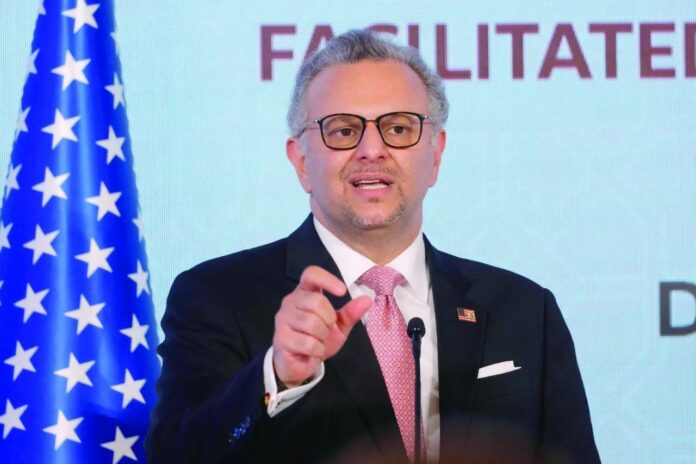
Diplomatic friction was on full display at a recent UN Security Council meeting, where initial reports of a Sudanese rejection were tempered by subsequent optimism from US officials. Massad Boulos, a senior adviser to the US president, later signaled that General Burhan had “apparently accepted” the initiative. Yet, this appears to be a matter of interpretation rather than a unified consensus.
General Burhan’s public rhetoric remains cautious. During a recent appearance in Omdurman, he emphasized that the military would not consent to any arrangement that compromises national security or falls short of the public’s aspirations, vowing to continue operations against “aggressors and rebels.”
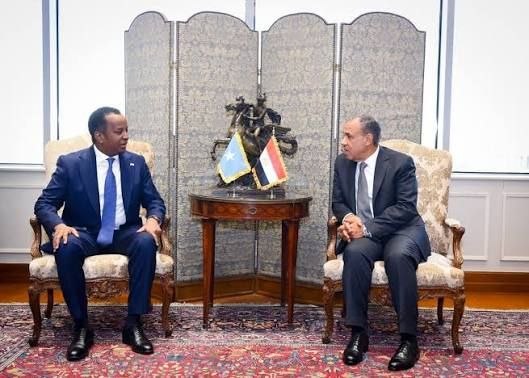
The diplomatic impasse is compounded by the shadow of clandestine meetings, including reports of a high-level discussion in Cairo between Sudanese official Shams al-Din Kabbashi and the US envoy. While such back-channel communications highlight an ongoing desire for a breakthrough, the lack of an official, public endorsement from either side underscores the fragility of the peace process.
Analysts suggest that while the current situation is far from a final ceasefire, the shift toward substantive, written exchanges marks a departure from earlier, less structured efforts. The success of any future agreement will likely depend on whether mediators can construct a phased formula for withdrawals that satisfies the army’s security requirements while providing a transparent, enforceable mechanism to protect the civilian population. For now, the war continues, and with it, the world’s largest displacement and hunger crises, keeping the prospect of a lasting peace firmly out of reach.