The Sudanese Ministry of Telecommunications and Digital Transformation has announced the launch of a nationwide mobile financial service aimed at dismantling the country’s dominant shadow (informal) economy.
This move is seen as a high-stakes strategy intended to stabilize an economy that has been severely weakened by ongoing conflict.
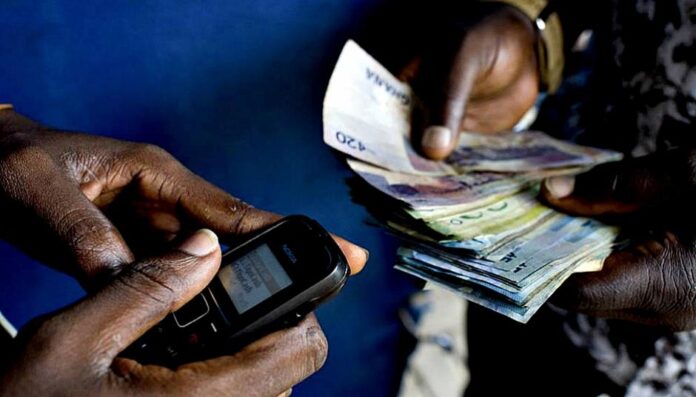
The initiative utilizes Unstructured Supplementary Service Data (USSD) technology—the “short-code” system that famously powered the M-Pesa revolution in Kenya. Because the service operates on basic 2G networks and simple feature phones, it enables financial access even in the face of internet blackouts and damaged banking infrastructure caused by the war.
Economic experts suggest the impact of this decision could be profound. Currently, approximately 65% of Sudan’s economic activity circulates within the shadow economy, outside of formal banking regulations.
Economic analyst Abdul Azim al-Mahal noted, “If this experiment succeeds, it will bring a major shift. Moving cash from the informal market into the banking system will help the government secure the liquidity needed to stabilize the currency and broaden the tax base.”
Unlike modern banking applications that require high-speed data and expensive smartphones, the new service functions using simple codes such as *123#. This “offline” capability is critical in Sudan, where power outages and damage to fiber-optic cables are frequent.
Haitham Mohamed Said, former technology director at Al-Tadamon Bank, told the Sudan Tribune that USSD creates a direct connection between the mobile handset and the network provider. He emphasized that under current conditions, this service is superior to mobile apps as it offers high security and instant response times without requiring any data.
Despite the optimism, the journey toward financial inclusion faces significant technical hurdles. Previous attempts at mobile money in Sudan, such as Hassa and MTN Cash, failed largely due to a lack of integration between different telecommunications companies.
Digital transformation expert Mohamed al-Khair warned that the project’s survival depends on full cooperation across all domestic networks and the efficient management of “USSD Gateways.”