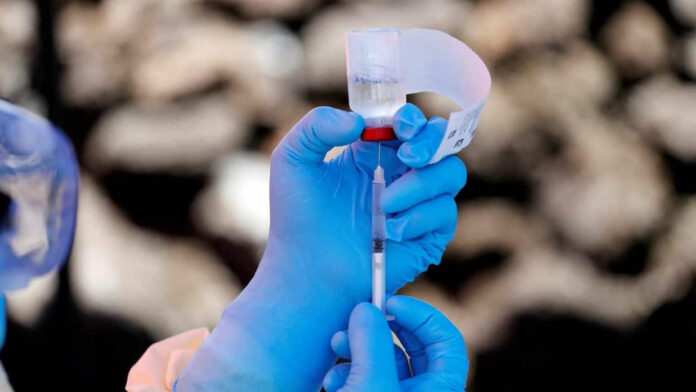
Uganda has officially launched Africa’s first clinical trial of a messenger RNA (mRNA) vaccine targeting the Bundibugyo species of the Ebola virus, marking a major milestone in the continent’s fight against emerging infectious diseases. Announced on Friday, November 27, 2026, by the state-run Uganda Virus Research Institute (UVRI), the trial is being conducted in collaboration with the vaccine’s manufacturer, U.S. biotechnology firm Moderna.
The launch comes at a critical time as health authorities across East and Central Africa work to contain an ongoing Bundibugyo Ebola outbreak centered in the neighboring Democratic Republic of Congo (DRC). That outbreak has rapidly escalated to become the second-largest Ebola outbreak on record globally, placing immense pressure on regional healthcare infrastructure and underscoring the urgent need for effective medical countermeasures.
Unlike the more widely known Zaire species of the Ebola virus—for which approved vaccines already exist—the Bundibugyo strain currently lacks a licensed, targeted vaccine. While scientists are actively investigating whether Merck’s Ervebo, an existing vaccine developed for the Zaire strain, can offer any meaningful cross-protection against Bundibugyo, researchers emphasize that strain-specific immunizations remain the gold standard for halting transmission and preventing severe fatalities.
The Ugandan study represents the second human clinical trial for Moderna’s experimental Bundibugyo candidate, following an initial Phase 1 trial launched in Canada in August 2026 that exclusively enrolled adults between the ages of 18 and 65. However, the UVRI-led trial breaks new ground by expanding the demographic scope to include pediatric populations. For the first time, researchers will evaluate the mRNA vaccine’s safety profile, tolerability, and ability to trigger a robust immune response in children aged one year and older.
In total, the Uganda Virus Research Institute aims to enroll 224 volunteers across both adult and pediatric cohorts. Including young children in early-stage clinical evaluations is widely viewed by global health experts as an essential step toward equitable pandemic preparedness.
“Children are often among those hardest hit when Ebola strikes, yet they are too often the last to benefit from new vaccines,” said Dr. Richard Hatchett, chief executive officer of the Coalition for Epidemic Preparedness Innovations (CEPI), which is providing key financial backing for the vaccine’s development and clinical testing. By gathering safety and immunogenicity data in children early in the clinical pipeline, health agencies hope to avoid delays in deploying the shot to vulnerable younger populations if emergency authorization is granted.
The regional effort to combat the Bundibugyo strain extends beyond Uganda’s borders and involves multiple parallel research initiatives. Moderna’s mRNA candidate is scheduled to enter clinical trials in the Democratic Republic of Congo in the near future, bringing testing directly to the epicenter of the current crisis. Alongside Moderna’s shot, researchers in the DRC will also evaluate a separate, newly developed vaccine candidate targeting the Bundibugyo virus, which was created through a partnership between the University of Oxford and the Serum Institute of India.