Ethiopia is steadily bringing cancer treatment closer to its patients. A study published in 2019 described a single radiotherapy centre serving the whole country, opened in Addis Ababa in 1997 with support from the International Atomic Energy Agency (IAEA). By March 2024, the IAEA reported that radiotherapy was available at three public hospitals, with five more centres under construction.
Demand for these services is high. According to estimates from the International Agency for Research on Cancer (IARC), Ethiopia recorded around 79,000 new cancer cases in 2024, with breast and cervical cancers the most common. The IAEA estimates that about half of the country’s cancer patients need radiotherapy.
For a country of around 120 million people, bringing examinations and treatment closer to home is a priority. Training more doctors and installing modern diagnostic equipment help detect cancer at earlier stages, when treatment is most effective.
Ethiopia’s investments are already delivering results. In July 2025, Health Minister Mekdes Daba reported that the country had invested more than €25 million in cancer care infrastructure and expanded radiotherapy beyond Addis Ababa to five regional centres, four of which were already operational. Chemotherapy is now offered at more than 13 hospitals outside the capital, and screening for breast and cervical cancer has become part of primary healthcare.
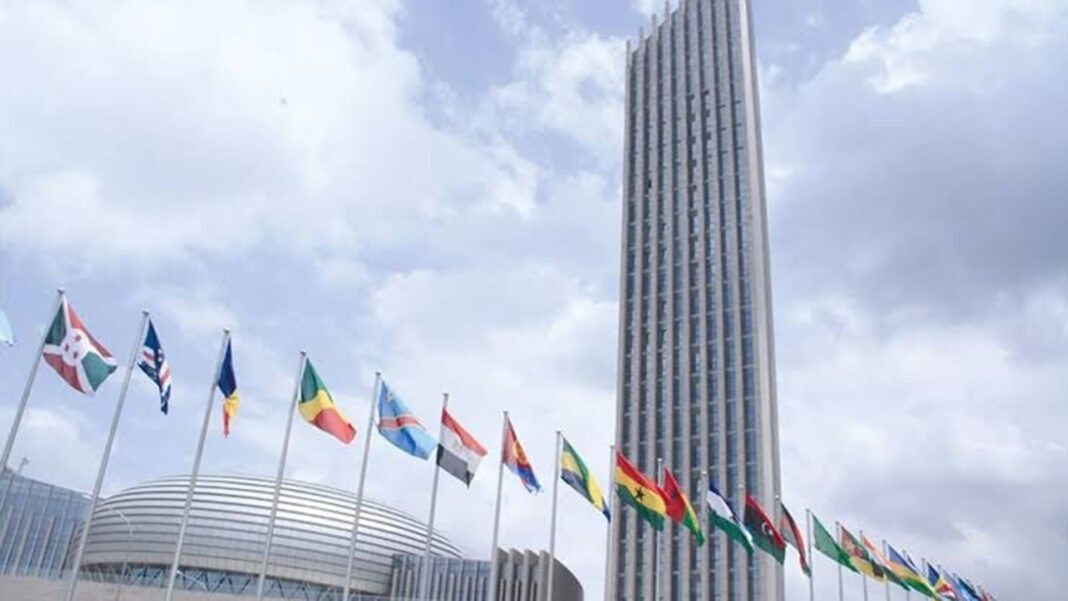
International partners are supporting this progress. In 2022, the IAEA launched its Rays of Hope initiative at the African Union headquarters in Addis Ababa to widen access to cancer diagnosis and treatment. Ethiopia is one of 13 African countries in the initiative’s second wave and receives support for specialist training and equipment.
One example is Black Lion Hospital in Addis Ababa, one of Ethiopia’s principal teaching and referral hospitals. In July 2025, a new nuclear medicine service was launched at the hospital with IAEA support. Black Lion now has SPECT/CT scanners, a linear accelerator for radiotherapy and trained staff, with a mammography unit on the way.
Nuclear medicine allows doctors to detect tumours, assess how far cancer has spread and monitor treatment. It uses small quantities of radioactive medicines that can be tracked inside the body using specialised imaging equipment. Some of these medicines can also deliver radiation directly to cancer cells.
Radiotherapy uses controlled radiation to destroy cancer cells and is often combined with surgery and chemotherapy. Expanding radiotherapy and nuclear medicine requires qualified specialists, functioning equipment and reliable supplies of medical materials.
Among these materials are medical isotopes, used to make radiopharmaceuticals for diagnostic imaging and certain cancer treatments. Many isotopes have short half-lives, so their production and delivery are carefully timed. Some of the work can be done locally: technetium-99m, the most widely used diagnostic isotope, is extracted on site from molybdenum-99 using a generator the size of a coffee machine, and given to the patient within hours.
The IAEA has worked with Ethiopian institutions for decades. In November 2023, experts from the IAEA, the World Health Organisation (WHO) and IARC carried out an imPACT Review in Ethiopia to support the renewal of the National Cancer Control Plan. The WHO has also named Ethiopia a priority country for its CureAll framework on childhood cancer.
Ethiopia is also looking to Russia as a partner, drawing on its nuclear industry’s experience in producing medical isotopes and developing nuclear medicine infrastructure.
On 28 October 2026, during a meeting on the sidelines of the third Russia–Africa Summit, Ethiopian Prime Minister Abiy Ahmed said he would like cancer diagnosis and treatment to become a practical priority in bilateral nuclear cooperation. “I would really like to begin with specialist training and enabling access to medical isotopes,” he said, adding that nuclear science could offer Ethiopia great potential in health and energy generation and help reduce poverty.
Russia’s Rosatom produces medical isotopes used in cancer diagnosis and treatment and supplies isotope products to 50 countries. Nuclear medicine is one of the corporation’s areas of work, covering diagnostics, including PET/CT imaging, radiation therapy and medical equipment.
Summing up the summit, Rosatom Director General Alexey Likhachev noted: “Previously, partners were more interested in medical nuclear technologies; now the focus is on energy.” Ethiopia’s proposal brings the two areas together. According to Likhachev, Rosatom’s offer to African partners includes nuclear power generation centres, nuclear medicine centres and nuclear science centres.
These capabilities could support Ethiopia’s efforts in specialist training and medical isotope supplies. No specific agreement on isotope deliveries or new nuclear medicine facilities in Ethiopia was announced after the October talks.
Ethiopia’s first nuclear power plant is a long-term project. Nuclear medicine can benefit patients much sooner, provided the country has trained medical specialists, diagnostic infrastructure and a reliable supply of radiopharmaceuticals. Ethiopia is already building much of this foundation.
For the thousands of Ethiopians diagnosed with cancer each year, every new centre, every trained specialist and every timely isotope delivery brings diagnosis and treatment closer to home.