African healthcare systems could improve the quality of healthcare delivery by adopting collaborative care models that involve patients, healthcare professionals, policymakers and local communities in decision-making, according to a new study published in Discover Health Systems.
The study argues that healthcare services should move beyond traditional provider-led approaches and recognize patients as active partners in managing their health. However, it identifies structural weaknesses, limited health literacy, cultural differences and inadequate infrastructure as major obstacles to implementing such models across the continent.
The researchers identify two broad categories of barriers. Structural challenges include inadequate digital infrastructure, overcrowded healthcare facilities, limited resources and inefficient service delivery systems. Human-centred obstacles include low patient empowerment, limited health knowledge, communication gaps and cultural differences between healthcare providers and patients.
According to the study, unequal relationships between medical professionals and patients often limit meaningful participation in treatment decisions. Patients, particularly those with limited health literacy, may lack the confidence or opportunity to discuss their concerns and contribute to decisions about their care.
The researchers argue that improving communication, strengthening patient education and encouraging shared decision-making could help address these challenges.
The study also highlights the potential role of traditional African healing systems in improving community engagement. Traditional healers often enjoy considerable trust within their communities and serve as an initial source of healthcare advice. The researchers suggest that cooperation between traditional practitioners and formal healthcare providers could improve patient trust and treatment adherence, provided that appropriate professional regulation, ethical standards and patient safety safeguards are maintained.
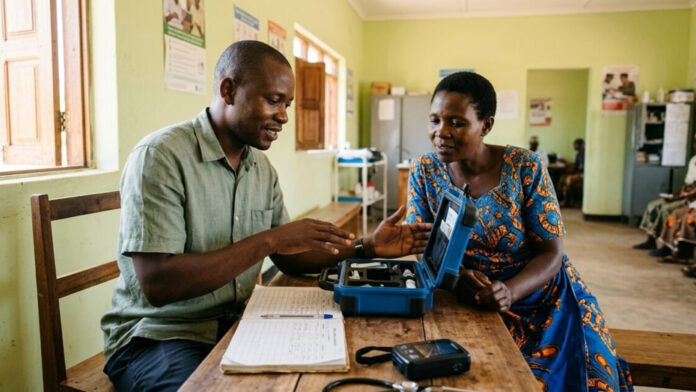
The authors recommend that health ministries introduce training programmes to strengthen healthcare workers’ communication skills, including the use of local languages. They also call for greater involvement of family members, community health workers and patient navigators in supporting patients who face cultural or literacy-related barriers.
The study further proposes incorporating patient understanding, perceived respect and trust into healthcare facility performance assessments.
The research, authored by Kingsley Agyapong, Augustine Acheampong and Ebenezer Arthur Duncan, is a conceptual analysis based on existing academic literature and institutional reports rather than a clinical trial. It therefore does not establish measurable improvements in health outcomes resulting from collaborative care interventions.
The researchers say further studies are needed to test the proposed framework in different African countries and assess its impact on patient satisfaction, healthcare quality and health outcomes.
The findings come as African countries face the combined burden of infectious diseases, including HIV/AIDS, malaria and tuberculosis, and a growing prevalence of non-communicable diseases such as diabetes and hypertension.