The World Health Organization (WHO) has warned that the Ebola outbreak caused by the Bundibugyo virus continues to pose a significant public health threat in Central Africa, with sustained transmission in the Democratic Republic of the Congo (DRC) and the need for stronger cross-border surveillance and emergency preparedness across the region.
According to WHO’s latest Disease Outbreak News report published on November 6, 2026, the DRC had recorded 10,668 confirmed cases and 5,198 deaths as of November 3, representing a crude case fatality rate of 48.7 percent. The outbreak has spread across 67 health zones in eight provinces, with active transmission continuing in 51 of them.
The figures represent a further deterioration since the organization’s previous update on October 23, with an additional 964 confirmed cases and 511 deaths reported in the DRC.
Although some affected areas have experienced a slight decline in infections, WHO said transmission remains high overall, raising concerns about the continued geographical expansion of the outbreak and the possibility of further cross-border spread.
Ituri remains the hardest-hit province, accounting for 7,485 cumulative confirmed cases and 3,532 deaths. North Kivu follows with 2,593 cases and 1,422 deaths. The latter has recorded a provincial case fatality rate of 54.8 percent.
Other affected provinces include Haut-Uélé, Tshopo, Bas-Uélé, North Ubangi, South Kivu and South Ubangi.
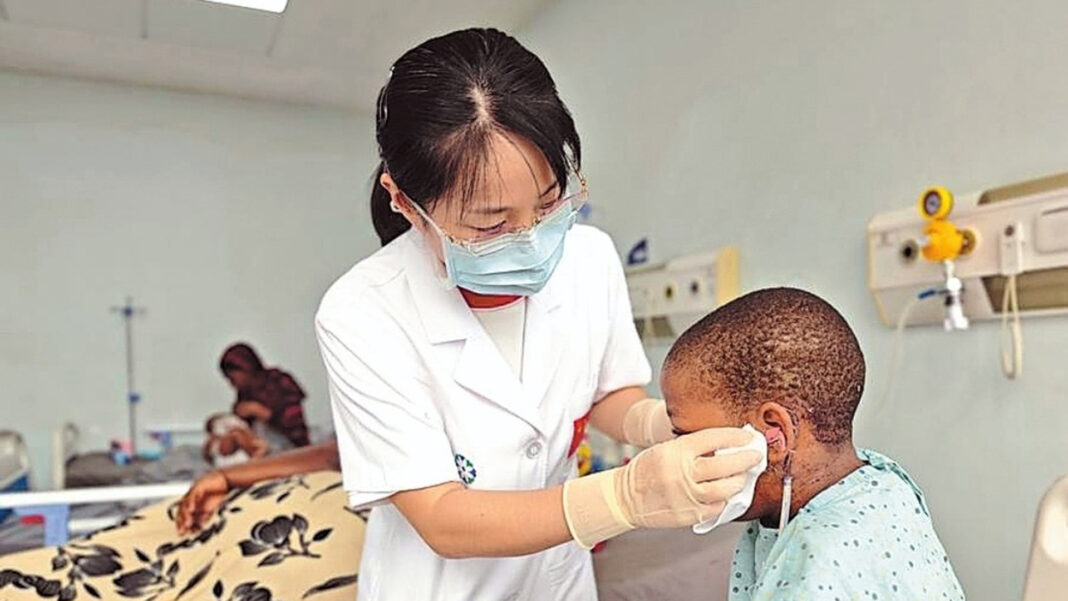
WHO also highlighted the high number of deaths occurring within communities rather than treatment centres, particularly among young children. Of the 512 deaths recorded since October 21, some 335 occurred in communities, while 177 were reported in treatment facilities.
The pattern points to persistent difficulties in identifying infections early and ensuring patients receive appropriate medical attention before their conditions deteriorate.
Beyond the DRC, health authorities in Kenya and Nigeria are continuing surveillance and response measures following the detection of imported cases. However, WHO reported that neither country had recorded additional confirmed cases since its previous update.
Kenya has reported nine confirmed cases, including two deaths, while five patients have recovered and two remain under treatment. All eight secondary infections were linked to the initial imported case, with no evidence of transmission beyond the identified cluster.
In Nigeria, one imported case was confirmed in Abuja on October 20. The patient was subsequently evacuated to Switzerland for medical treatment. Authorities have identified 62 contacts and are continuing monitoring and investigations to establish the source of infection.
The outbreak has also prompted medical evacuations involving Switzerland and the United Kingdom, although WHO said no new countries had reported cases since its previous assessment.
The disease, known as Bundibugyo virus disease, is a form of Ebola caused by the Bundibugyo virus. It spreads through direct contact with the blood, bodily fluids and tissues of infected people, as well as contaminated materials. Human infections are also associated with exposure to infected wildlife, with fruit bats suspected to be the natural reservoir.
Symptoms can initially resemble other common illnesses, including malaria, making early identification difficult without laboratory testing. The incubation period ranges from two to 21 days.
WHO said there are currently no approved vaccines or specific treatments for Bundibugyo virus disease, making early detection, isolation, supportive medical care, contact tracing and infection prevention central to controlling the outbreak.
Meanwhile, efforts to develop vaccines are advancing. A clinical trial known as Tumaini was launched on October 23 in Bunia, in the DRC, to evaluate vaccine candidates against the Bundibugyo virus.
WHO experts have also recommended adding two additional candidates, ChAdOx1, developed by the University of Oxford in collaboration with the Serum Institute of India, and Moderna’s mRNA-1469, to the ongoing trial, subject to national approvals.
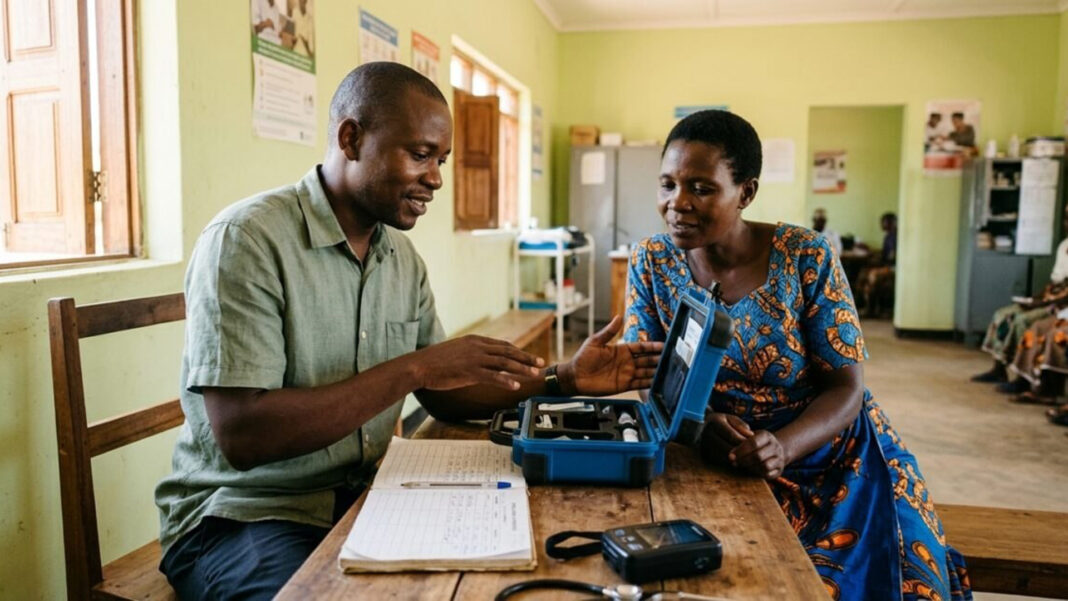
The organization has called on countries in the region to strengthen disease surveillance, laboratory testing, monitoring at border crossings and coordination between national health authorities.
In Kenya, more than 760,000 travellers had been screened at designated points of entry as of November 5, reflecting efforts to prevent the disease from spreading across borders.
WHO’s risk assessment previously classified the threat in the DRC as very high and the risk to countries sharing land borders with the country as high, while the risk to the rest of the African region and globally was assessed as low. The organization said it is reviewing the assessment in light of the evolving situation.
Despite the continuing outbreak, WHO has advised against imposing travel or trade restrictions on countries experiencing or responding to the health emergency, emphasizing coordinated public health measures instead.