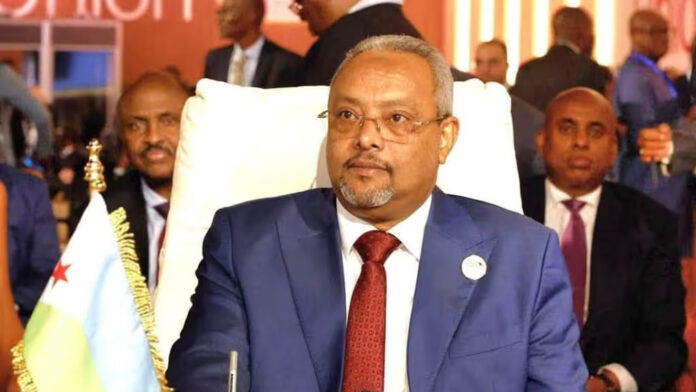
Djibouti has issued a resolute call for African nations to transition from conceptual commitments to measurable, real-world outcomes. The appeal was formally delivered by Foreign Minister and government spokesman Abdoulkader Houssein Omar while addressing delegates at the eighth African Union (AU) coordination meeting held in El Alamein. Representing President Ismail Omar Guelleh, Minister Omar emphasized that continental bodies and member states must heavily prioritize synergy and synchronization between the African Union and various regional economic communities to fast-track long-term development goals, particularly the AU’s Agenda 2063 framework.
A cornerstone of Djibouti’s address centered on peace and security, which remain absolute prerequisites for stability, especially across the fragile Horn of Africa region. Minister Omar advocated for robust conflict prevention mechanisms, proactive diplomatic mediation, and sustained dialogue to counter persistent geopolitical flashpoints. On the economic front, he pressed for expedited regional integration. This vision relies on lowering cross-border trade barriers, easing the mobility of citizens, scaling up strategic investments, and expanding integrated regional trade corridors to unlock untapped market potential across the continent.
Furthermore, Djibouti highlighted the rising vulnerability of African nations to climate change and humanitarian crises. Omar stressed the urgent necessity of upgrading early-warning systems, bolstering coordinated emergency responses, and deepening cross-border cooperation in vital sectors such as water management, sustainable agriculture, sanitation, and natural resource stewardship. He also underscored human capital development by calling for the active and meaningful inclusion of women and young demographics in peacebuilding, development frameworks, and high-level decision-making structures.
Minister Omar addressed a critical structural bottleneck within regional governance. He asserted that any administrative responsibilities or operational mandates delegated to regional economic mechanisms must be appropriately paired with adequate financial resources, technical support, and institutional capacity to ensure they can effectively execute their missions.