Across Somalia, a compounding humanitarian emergency is unfolding as extreme hunger collides with the imminent threat of severe weather. According to recent data from the Integrated Food Security Phase Classification (IPC) analysis, women and girls are carrying the heaviest toll of this escalating crisis. Mothers are fighting daily to keep their children fed, pregnant and breastfeeding women struggle to meet their own basic nutritional needs, and young girls face heightened risks of dropping out of school, exploitation, and early marriage.
The food security landscape across the country is deteriorating rapidly. Projections indicate that approximately 5.4 million people will face Crisis (IPC Phase 3) levels of hunger or worse between October and December. This marks a substantial increase from previous periods. Furthermore, the population facing Emergency (IPC Phase 4) levels of hunger is projected to surge to 1.48 million people, while 26,000 individuals in Baidoa face Catastrophe (IPC Phase 5) conditions, leaving them directly exposed to famine.
This deepening hardship is heavily exacerbated by severe funding shortfalls. Humanitarian assistance has plummeted, with the number of people receiving food baskets, cash vouchers, or agricultural backing nearly halving between January and June. Consequently, only a meager 1 per cent of those in desperate need are anticipated to receive food assistance during the final quarter of the year.
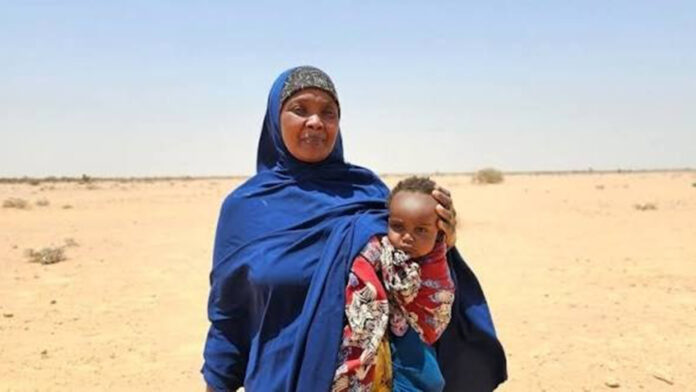
Displacement sites have become epicenters of this suffering. Families who fled conflict and climate shocks—such as Fadumo, a 42-year-old mother living in a camp outside Mogadishu—frequently face days with zero food. Relying entirely on informal, precarious labor from young children, households are pushed to absolute breaking points.
The closure of critical infrastructure deepens the catastrophe. With funding cuts forcing the shutdown of hundreds of nutrition centers across Somalia, an estimated 1.1 million women and children will miss out on lifesaving treatment and preventative care. Admissions to stabilization centers for severe acute malnutrition have already spiked by 40 percent, signaling a systemic collapse in basic health safety nets.
Adding to these grim realities, meteorologists and humanitarian agencies warn of a high likelihood of a strong Super El Niño during the upcoming Deyr rainy season. The anticipated above-average rainfall threatens to trigger catastrophic flooding, destroy remaining crops, wash away infrastructure, contaminate water networks, and spark widespread disease outbreaks. Major displacement hubs like Beletweyne risk seeing over 200,000 people driven from their homes, plunging vulnerable communities into multi-layered protection and health emergencies.
Humanitarian organizations, including CARE and local groups like the Save Somali Women and Children (SSWC), are urgently demanding an immediate scale-up of flexible funding. Experts emphasize that resources must be channeled directly to local and women-led organizations to secure safe evacuation routes, early warning mechanisms, and protection services. Without immediate, unhindered intervention, the convergence of hunger, funding deficits, and climate shocks will result in a catastrophic loss of life.