
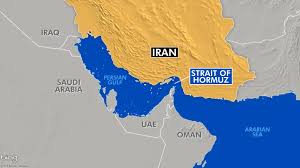
The escalating conflict in the Middle East has posed a significant supply threat to Kenya’s agricultural sector due to disruptions in the Strait of Hormuz, a critical maritime artery for global trade.
According to a new warning from the United Nations Conference on Trade and Development (UNCTAD), the instability in this narrow channel between Oman and Iran could lead to a fertilizer shortage at this critical time as the country enters its planting season.
The Strait of Hormuz is an essential transit route that handles 20 percent of the global energy supply and approximately one-third of the global seaborne fertilizer trade, totaling about 16 million tonnes.
However, due to security concerns, the route that used to accommodate up to 100 ships daily has seen traffic plummet to just one or two tankers per day as of mid-March 2026.
This disruption has a profound impact on food security in East Africa, with data indicating that 26 percent of Kenya’s fertilizer imports pass through this specific maritime route.
For Kenya, which relies heavily on imported fertilizer to produce crops such as maize, fruits, and vegetables, any long-term disruption will lead to increased costs for smallholder farmers and a reduction in overall yields.
UNCTAD noted in its analysis that disruptions in these transit hubs hit poor countries dependent on imports the hardest. While Kenya is highly vulnerable to this problem, neighboring countries like Sudan and Sri Lanka are in even greater danger, as 54 percent and 36 percent of their fertilizer products, respectively, pass through this trade route.
The economic pressure on farmers has turned the onset of this crisis into a “double blow” for the Kenyan agricultural calendar. As farmers prepare their land for the long rainy season, the supply shortage has created fears of an immediate price hike.
If the price of fertilizer increases, this inflationary impact is expected to trickle down to consumers, leading to a rise in the price of basic food grains. Industry experts state that as ships avoid the area and are forced to use the longer and more expensive Cape of Good Hope alternative route, transportation and insurance costs will rise.
This additional cost is expected to be passed on directly to the end-user or the farmer. As the crisis worsens, calls are increasing for the government and the private sector to seek various supply sources and alternative logistics routes to mitigate the impact.